Nestled in the heart of Nepal’s Everest region, Chhukung Village is a small yet spectacular Himalayan settlement located at an altitude of 4,730 meters (15,518 feet). Surrounded by towering peaks, glaciers, and alpine landscapes, it serves as an important stop for trekkers and climbers exploring the Khumbu region.
Whether you’re hiking to Chhukung Ri, preparing for Island Peak climbing, or tackling the challenging Everest Three Passes Trek, Chhukung offers the perfect combination of breathtaking scenery, peaceful surroundings, and essential acclimatization before heading to higher elevations.
Although smaller and quieter than Namche Bazaar or Dingboche, Chhukung has become one of the most popular destinations for adventure seekers looking to experience the beauty of the Himalayas beyond the classic Everest Base Camp route.
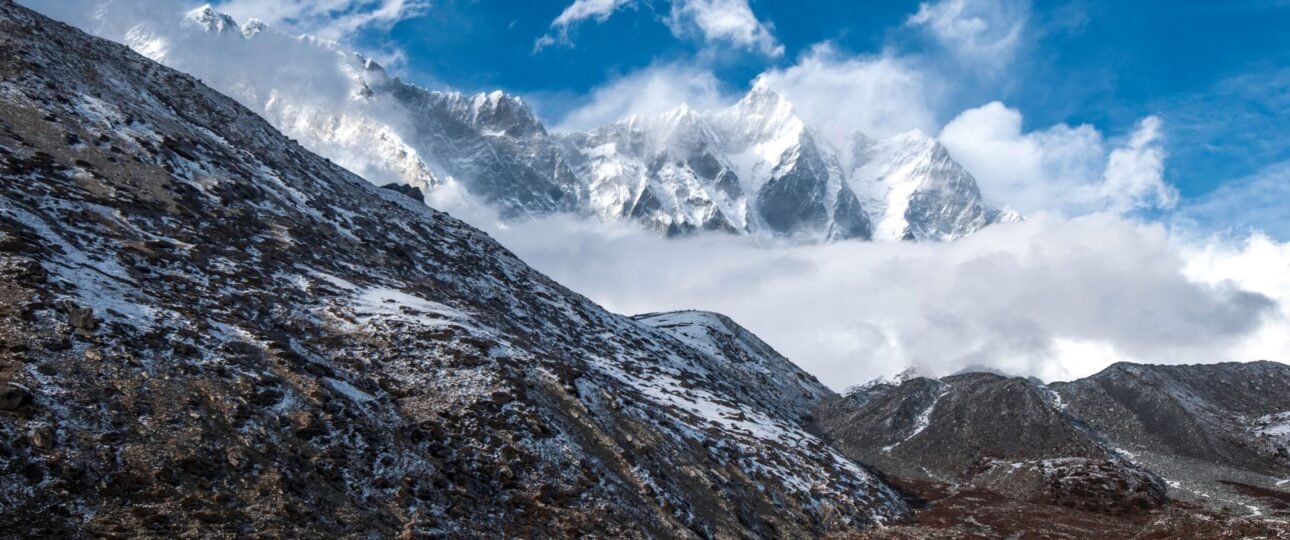
The village is home to welcoming Sherpa teahouses, comfortable lodges, and panoramic views of some of the world’s highest mountains, including Mount Everest, Lhotse, Ama Dablam, Nuptse, Makalu, and Island Peak.

Reaching Chhukung involves a rewarding trek through traditional Sherpa villages, ancient monasteries, suspension bridges, and the stunning Imja Valley. Along the way, trekkers experience the rich culture of the Khumbu region while gradually acclimatizing to the increasing altitude.
This complete guide covers everything you need to know about Chhukung, Nepal, including its location, how to get there, the best time to visit, trekking difficulty, altitude and acclimatization, accommodation, food, permits, packing list, nearby attractions, and practical travel tips.
Whether you’re planning your first trek in the Everest region or preparing for a Himalayan climbing adventure, this guide will help you plan a safe, enjoyable, and unforgettable journey to Chhukung.
Where is Chhukung Village located?
Chhukung is located in the Khumbu region of northeastern Nepal. It sits inside the Khumbu Pasang Lhamu Rural Municipality, in Solukhumbu District, within Sagarmatha National Park, a UNESCO World Heritage Site.
At 4,730 meters (15,518 feet), Chhukung is one of the highest year-round villages in the entire Everest region. It lies in the Imja Valley, with some of the world’s most famous peaks rising around it: Lhotse (8,516 m), Nuptse (7,861 m), Ama Dablam (6,812 m), and Island Peak (6,189 m).
For most trekkers, Chhukung is more than just a place to pass through. It’s the main gateway for climbing Island Peak, a popular stop for acclimatizing before going higher, and the starting point for the hike up to Chhukung Ri (5,546 m), one of the best viewpoints in the whole region.
Location Overview
| Detail | Information |
| Country | Nepal |
| Province | Koshi Province |
| District | Solukhumbu District |
| Region | Khumbu (Everest) Region |
| Municipality | Khumbu Pasang Lhamu Rural Municipality |
| National Park | Sagarmatha National Park |
| Elevation | 4,730 m (15,518 ft) |
Distance from Major Trekking Points
| Destination | Approximate Distance | Walking Time |
| Lukla (2,840 m) | ~31 km | 4–5 trekking days |
| Namche Bazaar (3,440 m) | ~20 km | 2 trekking days |
| Dingboche (4,410 m) | ~5 km | 2–3 hours |
| Island Peak Base Camp (5,087 m) | ~5 km | 3–4 hours |
| Everest Base Camp (5,364 m) | ~13 km | 7–9 hours (via Lobuche and Gorak Shep) |
How to Get to Chhukung
Getting to Chhukung is part of the adventure. There’s no road anywhere near the village, so the journey starts with a short mountain flight and finishes on foot. Most trekkers fly from Kathmandu to Lukla, then walk for several days through Sherpa villages, forests, suspension bridges, and wide-open valleys before finally reaching Chhukung.
The trail gains height gradually, which gives your body time to adjust as you go. Along the way, you’ll pass through lively mountain towns, old Buddhist monasteries, and some incredible viewpoints before the trail settles into the quiet, peaceful stretch that leads into Chhukung.
The Standard Route: Lukla → Namche → Tengboche → Dingboche → Chhukung
Most trekkers follow the same trail used for Everest Base Camp, then branch off near Dingboche into the Imja Valley. After landing in Lukla (2,840 m), the trail follows the Dudh Koshi River up through Phakding and into Namche Bazaar (3,440 m), the busiest and most important town in the whole Khumbu region.
From Namche, the path climbs toward Tengboche, home to a famous monastery and one of the finest views of Everest and Ama Dablam anywhere on the trek. After that comes Dingboche (4,410 m), where most people take a rest day before heading into the Imja Valley. From Dingboche, a gentle uphill trail through open, rocky terrain leads the rest of the way to Chhukung.
This route is considered the safest and most rewarding way to reach the village, mainly because it gives your body proper time to adjust while still passing through some of the most beautiful scenery in the Himalayas.
How Many Days Does It Take?
Most people reach Chhukung within five to six days of leaving Kathmandu, depending on their pace, rest days, and the weather. The walking portion from Lukla to Chhukung usually takes four to five days on its own, and many trekkers add an extra rest day in Namche or Dingboche to lower their risk of altitude sickness.
Climbers heading up Island Peak usually spend at least one night in Chhukung before continuing to base camp. Others use it purely as a rest stop before hiking up Chhukung Ri or continuing toward the Three Passes Trek.
Flights and Trekking Logistics
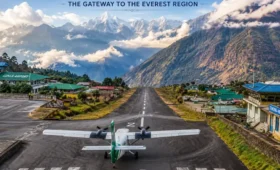
Every trip to Chhukung starts with a flight to Lukla, the main entry point into the Everest region. During busy months, spring and autumn flights usually leave from Manthali Airport in Ramechhap rather than Kathmandu, which means an early morning drive before boarding. Outside these peak months, flights sometimes leave straight from Kathmandu, depending on weather.
Once you land in Lukla, you will be walking from there. The trails are well-worn and easy to follow, and teahouses line the route the entire way, offering both food and a place to sleep. Hiring a guide or porter is a smart move, especially for first-timers, as they know the trail, help with pacing, and can spot early signs of altitude trouble before it becomes serious.
Mountain weather changes fast, and Lukla flights get delayed or cancelled more often than people expect. It’s a sensible idea to keep one or two spare days in your schedule.
Best Time to Visit Chhukung
The best months to visit Chhukung Village are spring (March to May) and autumn (September to November). These two seasons bring the most stable weather and the clearest mountain views. Skies stay mostly clear, daytime temperatures are comfortable for walking, and peaks like Lhotse, Ama Dablam, Nuptse, and Island Peak are usually visible in full.
Spring brings warmer air and rhododendron flowers blooming lower down the trail. Autumn tends to have the sharpest, clearest views of the year, right after the monsoon rains have washed the dust out of the sky. Both seasons are also the busiest times for Island Peak climbing, the Everest Base Camp trek, and the Three Passes Trek, so Chhukung tends to feel lively and full of fellow trekkers during these months.
Winter is possible too, but it comes with freezing temperatures and snow, so you’ll need proper cold-weather gear. Monsoon season, from June to August, is best avoided; heavy rain, muddy trails, poor visibility, and frequent flight delays make it the toughest time to visit.
If you want the best weather, the clearest views, and the smoothest trekking experience, aim for spring or autumn.
Altitude & Acclimatization in Chhukung
At 4,730 meters, Chhukung sits among the highest year-round settlements in the Everest region. The air here holds much less oxygen than at sea level, so giving your body time to adjust isn’t optional; it’s essential. Whether you’re passing through on the way to Everest Base Camp, tackling the Three Passes Trek, or preparing for Island Peak, proper acclimatization lowers your risk of altitude sickness and gives you a much better chance of finishing your trip safely.
Signs of Altitude Sickness
As you climb higher, your body needs time to adapt to thinner air. Some trekkers develop Acute Mountain Sickness (AMS) once they pass 2,500 meters, and the chances go up the higher you climb. Watch for these symptoms:
- Headaches
- Dizziness
- Nausea
- Tiredness
- Loss of appetite
- Trouble sleeping
- Shortness of breath during normal activity
Don’t ignore these signs; pushing higher while unwell can turn a mild problem into a dangerous one. If symptoms get worse even after resting, the safest move is to head back down and get medical help.
Tips for Acclimatizing Well
- Climb slowly; walk at a pace that feels comfortable, not rushed
- Drink plenty of water and eat well to help your body adjust
- Skip alcohol and cigarettes, since both make altitude sickness more likely
- Pay attention to how you feel; if something feels off, rest before going any higher
- Follow the old mountain rule of “climb high, sleep low”: hike up to a higher point during the day, then return to a lower spot to sleep at night; it’s one of the most effective ways to help your body adapt
Where to Take Rest Days
Taking a rest day before reaching Chhukung, or before climbing any higher, is strongly recommended. Most trekkers rest once in Namche Bazaar (3,440 m) and again in Dingboche (4,410 m). Once in Chhukung, many climbers stay an extra night before heading to Island Peak Base Camp.
On rest days, a short hike up to Chhukung Ri (5,546 m) is a fantastic way to help your body adjust while taking in incredible views of Everest, Lhotse, Ama Dablam, Makalu, and the surrounding peaks. Slow, steady acclimatization is one of the biggest factors in having a safe and enjoyable trek at this altitude.
Things to Do in Chhukung
1. Hike to Chhukung Ri (5,546 m)
This trek is the most popular activity in the village. The hike takes about two to four hours and rewards you with sweeping views of Everest, Lhotse, Ama Dablam, Nuptse, Makalu, and the glaciers below. It also doubles as a particularly effective acclimatization hike before heading higher or attempting Island Peak.
2. Visit Island Peak Base Camp (5,087 m)
For anyone staying in Chhukung, a visit to Island Peak Base Camp is well worth the walk. The trail runs through the Imja Valley and leads right to the base of Island Peak, one of the most popular trekking peaks in Nepal. Even without climbing to the summit, just standing at base camp gives you a real taste of what a Himalayan expedition feels like.
3. Cross Kongma La Pass (5,535 m)
Kongma La is the highest of the three passes on the Three Passes Trek, and it’s a serious but rewarding challenge for experienced trekkers. The trail crosses rocky, high-altitude ground before dropping down toward Lobuche. From the top, you’ll get incredible views of Lhotse, Nuptse, Makalu, and the glaciers spread out below.
4. Explore the Imja Valley
The valley around Chhukung is full of dramatic scenery, glacial rivers, rugged alpine ground, and towering snow peaks all around. Walking through it feels calm and quiet, away from the busier trails, and it’s a wonderful place for photography or simply taking in the surroundings.
5. Take In the Himalayan Views
Chhukung might be one of the best viewpoints in the entire Everest region. Nearly every direction offers a view of a major peak: Everest, Lhotse, Ama Dablam, Island Peak, Baruntse, and Nuptse. Early mornings and evenings tend to have the clearest skies, making them the best time for photos or simply sitting and watching the sunrise or sunset over the mountains.
6. Experience Sherpa Culture
Small as it is, Chhukung offers visitors a real glimpse into Sherpa mountain life. Staying in the local teahouses means enjoying traditional hospitality, trying local food, and learning a bit about how people live at this altitude. The warmth of the welcome adds something special to the whole experience.
7. Prepare for Island Peak
Chhukung is the last village before Island Peak Base Camp, so many climbers spend an extra day here resting, checking their gear, going through technical briefings, and finishing their acclimatization before the summit push.
8. Photography and Nature Walks
With glaciers, rocky ridgelines, colorful prayer flags, and snow-covered peaks all around, Chhukung is a fantastic spot for photography. Even short walks around the village offer plenty of chances to capture the scenery, the light, and the mood of the high mountains.
Accommodation & Facilities in Chhukung
Even though it is so remote, Chhukung offers a decent range of food. Most teahouses serve traditional Nepali and Sherpa dishes: dal bhat, momos, thukpa, fried rice, noodles, potatoes, soup, and Tibetan bread. You’ll also find simpler Western options like pasta, pizza, pancakes, omelets, and sandwiches in many lodges.
Hot drinks are popular here, especially in the cold. Tea, coffee, hot chocolate, lemon-ginger-honey tea, and garlic soup are all common choices. Because everything has to be carried in by porter or yak, prices for food and drinks run higher than what you’d pay lower down the trail.
Accommodation is simple but comfortable. Chhukung has a mix of teahouses, lodges, and guesthouses; most of them are run by families. Rooms are usually twin-share, with basic beds, blankets, shared bathrooms, and some form of charging for electronics.
Some lodges also offer Wi-Fi, hot showers, laundry, and a common dining area where trekkers gather in the evening. During busy months, rooms can fill up fast, so it’s worth booking ahead if you can. The facilities may be basic, but the warm hospitality and mountain views more than make up for it.
Permits Required for Chhukung Trek
Every trekker must obtain the required permits to enter the Everest region before trekking to Chhukung. The required permits are:
Sagarmatha National Park Entry Permit
- Mandatory for all trekkers entering Sagarmatha National Park.
- Required to access the protected Everest region.
- Supports wildlife conservation, environmental protection, and trail maintenance.
- It can be obtained in Kathmandu or at the Monjo National Park entrance gate.
- It must be carried throughout the trek, as it is checked at several checkpoints.
Khumbu Pasang Lhamu Rural Municipality Permit
- Mandatory for all trekkers visiting the Khumbu region, including Chhukung.
- Replaces the TIMS Card for most trekkers in the Everest region.
- Helps fund local infrastructure, tourism management, and community development.
- It can be obtained at the Lukla Permit Checkpoint.
- Must be presented at designated checkpoints during the trek.
Chhukung Trek Difficulty & Fitness Level
The trek to Chhukung is considered moderately difficult, though the challenge comes mostly from the altitude, not the terrain. The trails themselves are well-marked and don’t require any climbing skills, which makes the route suitable for fit beginners, experienced trekkers, and mountaineers preparing for Island Peak or the Three Passes Trek alike. Reaching 4,730 meters requires proper acclimatization, good endurance, and a steady, unhurried pace to avoid altitude sickness.
Who Is This Trek Good For?
- First-time trekkers who are reasonably fit and willing to acclimatize properly
- Experienced trekkers wanting to explore beyond Namche Bazaar
- Three Passes trekkers preparing to cross Kongma La
- Photographers and nature lovers chasing big Himalayan views
Getting Ready for the Trek
Build up your cardio with regular hiking, running, cycling, or swimming. Aim for three to four sessions a week in the weeks before you go. Strengthen your legs with stair climbing, squats, lunges, and hill walks. Practice a few hikes with a loaded backpack so your body gets used to the extra weight.
Longer day hikes beforehand also help prepare you for back-to-back trekking days. Stay hydrated, eat well, and give yourself enough time on the trail to acclimatize properly. If you have access to higher elevations or stair workouts, use them to simulate the uphill effort you’ll face on the trek.
Packing List for Chhukung Trek
Packing the right gear is essential for a safe and comfortable trek to Chhukung. As the village sits at 4,730 meters (15,518 feet), temperatures can change quickly, especially in the early morning and at night. A well-prepared packing list will help you stay warm, comfortable, and ready for high-altitude trekking.
Clothing
- Moisture-wicking base layers
- Insulating fleece or down jacket
- Waterproof and windproof jacket
- Waterproof trekking pants
- Thermal underwear
- Trekking shirts and pants
- Warm hat or beanie
- Sun hat or cap
- Lightweight gloves and insulated gloves
- Wool or synthetic trekking socks
- Gaiters (optional for snow conditions)
Footwear
- Waterproof trekking boots with good ankle support
- Lightweight camp shoes or sandals
- Comfortable trekking socks
Trekking Gear
- Backpack (30–40 liters)
- Duffel bag (if using a porter)
- Trekking poles
- Rain cover for backpack
- Sleeping bag (rated for cold temperatures)
- Headlamp with extra batteries
- Reusable water bottles or hydration bladder
- Water purification tablets or filter
Personal Items
- Sunscreen (SPF 50+)
- Lip balm with UV protection
- Sunglasses with UV protection
- Personal toiletries
- Quick-dry towel
- Wet wipes and hand sanitizer
- Toilet paper
- Passport and required trekking permits
- Cash for personal expenses
Health and Safety
- Personal first-aid kit
- Prescription medications
- Basic pain relievers
- Blister treatment
- Altitude sickness medication (if recommended by your doctor)
- Insect repellent (mainly for lower elevations)
Electronics
- Mobile phone
- Camera and extra memory cards
- Power bank
- Charging cables and adapters
- Spare camera batteries, as cold weather drains battery life quickly
Optional Items
- Snacks and energy bars
- Binoculars
- Lightweight notebook or journal
- Playing cards or a book
- Lightweight crampons or microspikes (winter conditions)
Packing only the essentials and keeping your backpack lightweight will make the trek more comfortable while ensuring you are well prepared for the changing weather and high-altitude conditions in the Everest region.
Frequently Asked Questions About Chhukung Village
1. How high is Chhukung Village?
Chhukung sits at 4,730 meters (15,518 feet) in Nepal’s Everest region, one of the highest year-round villages in the whole Khumbu Valley and an important stop for anyone heading toward Island Peak, Chhukung Ri, or the Three Passes Trek.
2. Is Chhukung suitable for acclimatization?
Yes, it’s one of the better places in the region to rest and adjust. Many trekkers add an extra night here before attempting Island Peak or crossing Kongma La Pass, and the short hike up Chhukung Ri helps the body adapt even further.
3. Is Chhukung worth visiting?
Definitely. The mountain views are outstanding, the atmosphere is peaceful, and it puts you within comfortable reach of Chhukung Ri, Island Peak Base Camp, and Kongma La Pass. It’s a fantastic stop for trekkers, photographers, or anyone chasing big Himalayan scenery.
4. Can beginners trek to Chhukung?
Yes, as long as they follow a sensible itinerary with enough time to acclimatize. The trail itself isn’t technical, but the altitude means beginners need to pace themselves and stay alert to any signs of altitude sickness.
5. How many days does the Chhukung trek take?
Usually four to five days from Lukla, or five to six days total starting from Kathmandu, depending on your pace, rest days, and the weather.
6. How many days should I stay in Chhukung?
Most trekkers stay one to two nights. Those preparing for Island Peak or the Three Passes Trek often add an extra day to rest and explore places like Chhukung Ri.
7. Where can I stay in Chhukung?
The village has several family-run teahouses, lodges, and guesthouses. Most offer twin-share rooms, hot meals, charging facilities, and the basic comforts you’d expect at high altitude.
8. What is Chhukung Ri?
Chhukung Ri is a popular viewpoint and trekking peak sitting at 5,546 meters (18,196 feet), right above the village. The hike takes about two to four hours and offers wide views of Everest, Lhotse, Ama Dablam, Nuptse, Makalu, and the glaciers nearby.
9. Is Chhukung the base for Island Peak?
Yes. It’s the main gateway to Island Peak (6,189 m). Most climbers spend a night here before heading to base camp to begin their summit attempt.
10. What should I pack for the Chhukung trek?
Pack warm layered clothing, waterproof trekking boots, a down jacket, gloves, a warm hat, trekking poles, sunglasses, sunscreen, a reusable water bottle, a reliable sleeping bag, any personal medication, and the rest of your essential trekking gear. Given the altitude and shifting weather, being well prepared makes a real difference.
Conclusion
Chhukung Village stands out as one of the most rewarding stops in Nepal’s Everest region, a mix of stunning mountain views, high-altitude adventure, and genuine Sherpa hospitality.
Whether you’re hiking up to Chhukung Ri, getting ready for Island Peak, crossing Kongma La Pass, or simply soaking in the quiet beauty of the Imja Valley, the village offers an experience that’s hard to forget. With the right planning, gradual acclimatization, proper gear, and the correct permits, trekkers of almost any experience level can enjoy a safe and memorable trip to Chhukung.
Between its incredible views, comfortable teahouses, and its role as the gateway to some of the best adventures in the Everest region, Chhukung earns its place on every trekker’s list.