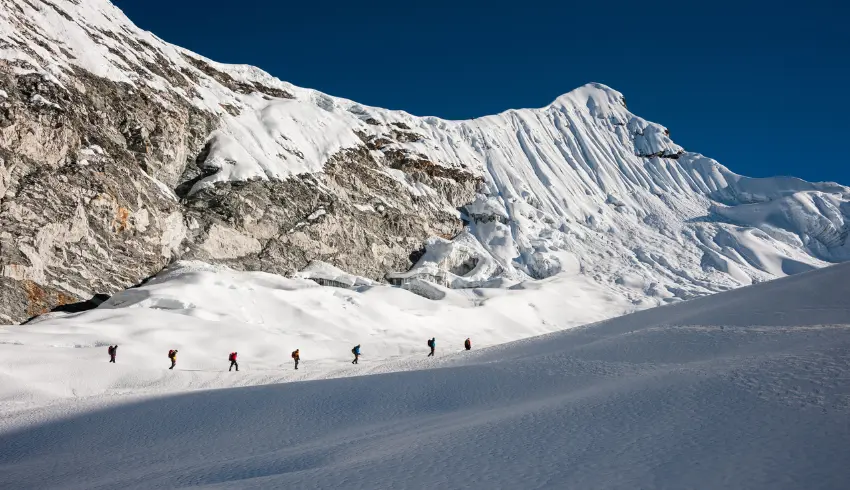
Chhukung to Island Peak Climbing is a short, challenging Himalayan expedition in Nepal’s Everest Region. It is operated by Island Peak Climbing, a Nepal-based specialist in Island Peak climbs.
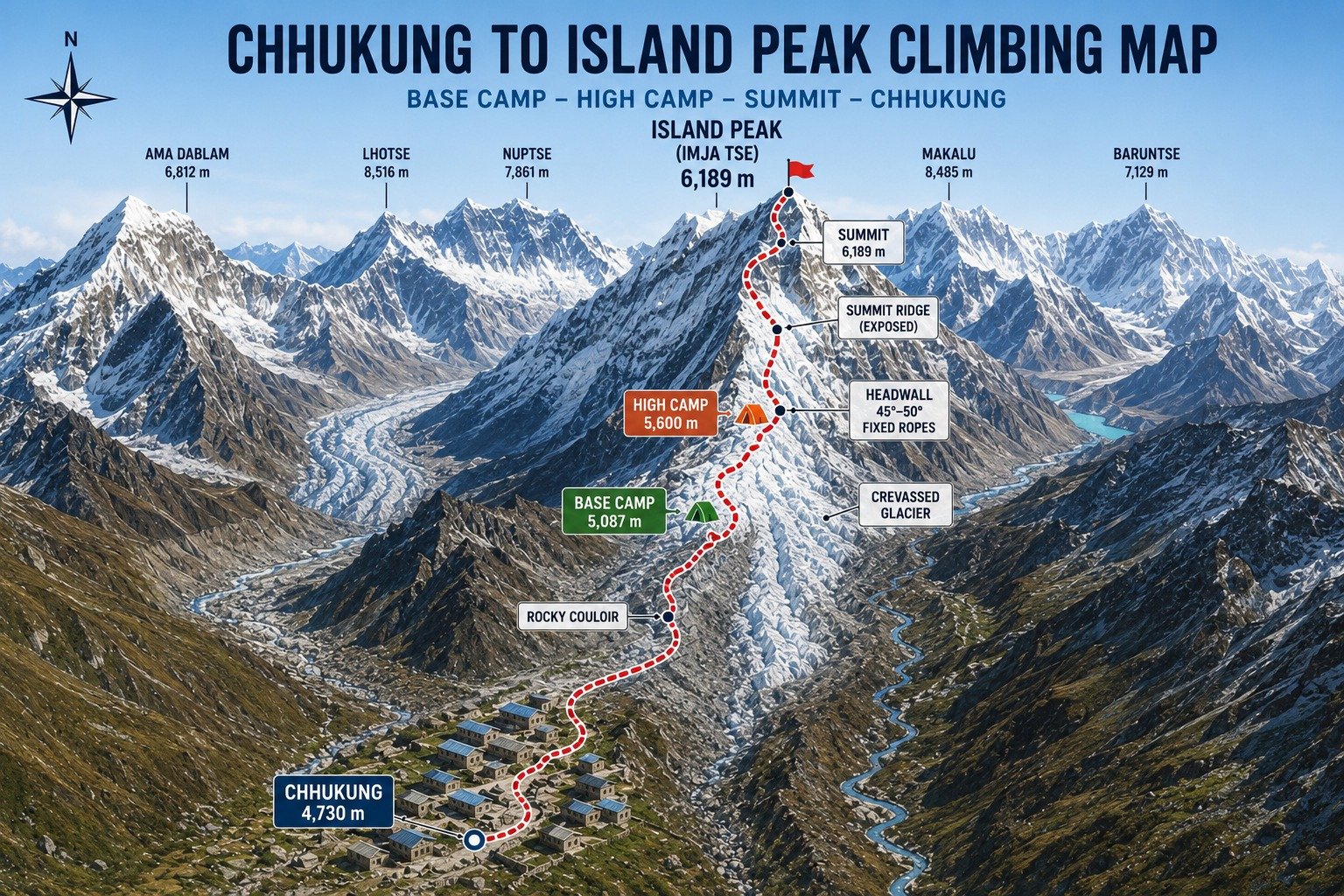
This 3-day route from Chhukung Village leads trekkers to the 6,189-meter summit of Island Peak (Imja Tse). It combines glacier travel, fixed-rope climbing, and spectacular scenery in the Everest region, including views of Mount Everest, Lhotse, Nuptse, Makalu, and Ama Dablam.
Key Highlights of Chhukung to Island peak Climbing
- Climb Island Peak (Imja Tse, 6,189 m), one of Nepal’s most popular introductory mountaineering peaks in the Everest region.
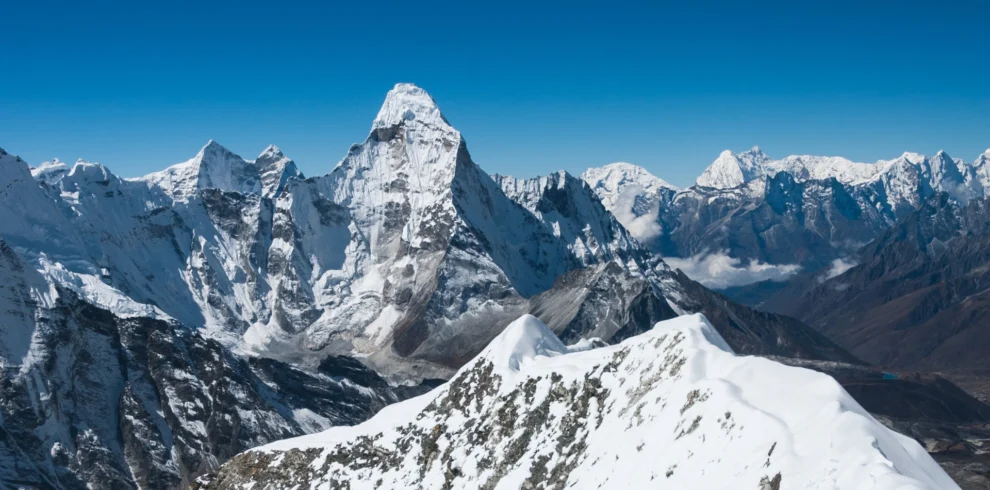
- Enjoy unobstructed 360-degree views of Mount Everest, Lhotse, Nuptse, Makalu, and Ama Dablam from the summit.
- Cross rocky moraines, glacial terrain, crevasses, and the steep 45°–50° ice headwall during the summit ascent.
- Witness Island Peak’s dramatic setting amid the glaciers and towering moraines of the upper Imja Valley.
- Experience the warm hospitality of the high-altitude Sherpa communities while exploring the Everest region.
- Spend a night camping under clear skies at Island Peak Base Camp, far away from light pollution.
- Climb with experienced, government-licensed climbing guides who prioritize safety and responsible decision-making.
- Benefit from comprehensive expedition support, including all required climbing permits and logistics.
Quick facts
| Summit Altitude | 6,189 m (20,305 ft) — Island Peak (Imja Tse) |
| Start Point | Chhukung Village (4,730 m), Khumbu Valley, Nepal |
| Duration | 3 Days (Base Camp → High Camp → Summit → Return) |
| Best Season | Spring: March–May | Autumn: September–November |
| Difficulty | Moderate–Technical (glacier travel, fixed ropes, 45–50° ice headwall) |
| Required Gear | Ice axe, crampons, harness, helmet, carabiners, ascenders |
| Permits Required | NMA Climbing Permit, Sagarmatha NP Permit, Khumbu Municipality Fee |
| Guides | A licensed climbing guide mandatory under Nepalese mountaineering law |
Overview of Island Peak Climbing from Chhukung
Chhukung to Island Peak Climbing is a 3-day high-altitude trek that takes climbers from Chhukung to the summit of Island Peak (Imja Tse). It rises to 6,189 meters above sea level. This route combines trekking through the stunning Imja Valley with technical alpine climbing, including glacier crossings, fixed-rope sections, and a steep summit headwall.
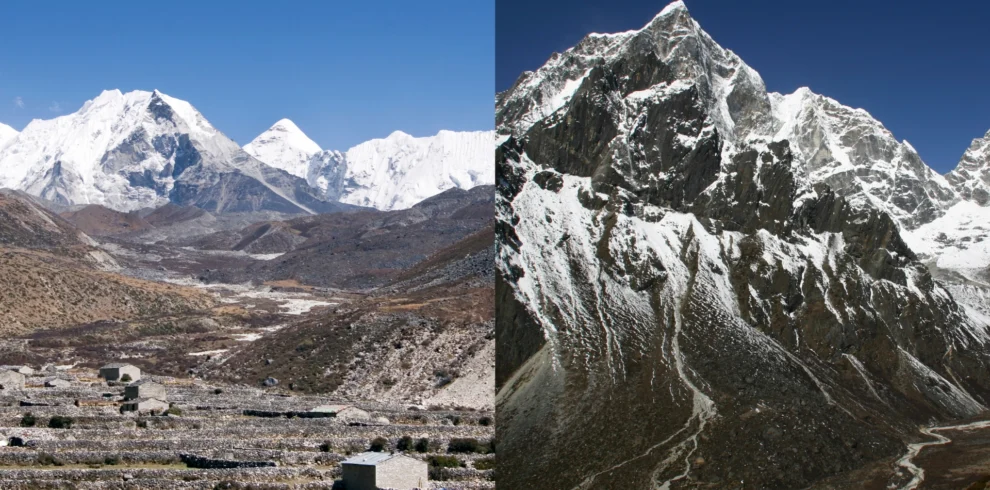
Island Peak is a mountain in Sagarmatha National Park, in the Himalayas of eastern Nepal, located in the Khumbu Valley. The peak was named by members of the 1953 British Mount Everest Expedition because it resembles an island rising from a sea of ice when viewed from Dingboche.
In 1983, it was officially renamed Imja Tse. Although Island Peak is the name most widely used internationally, it is still formally known as Imja Tse.
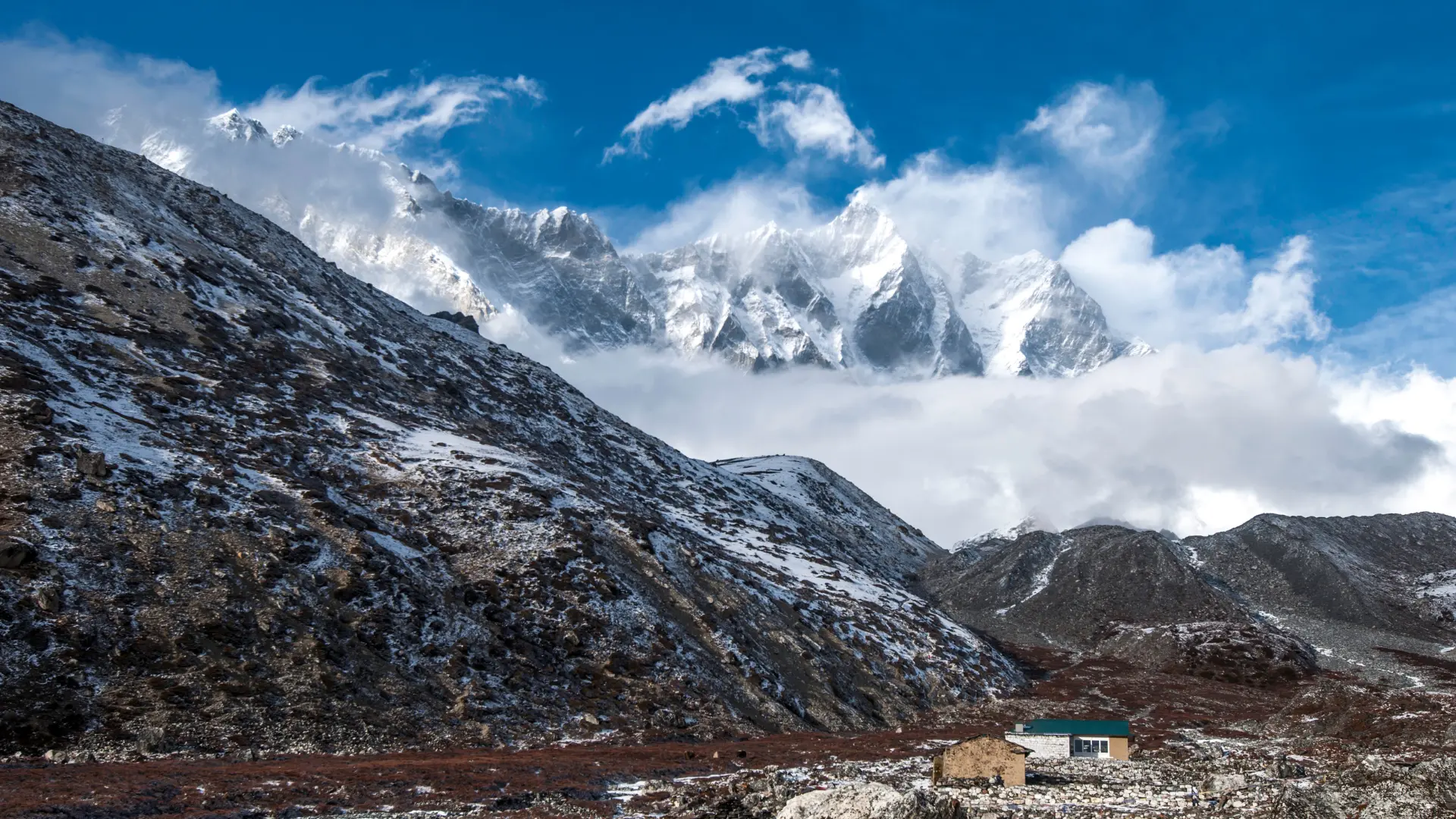
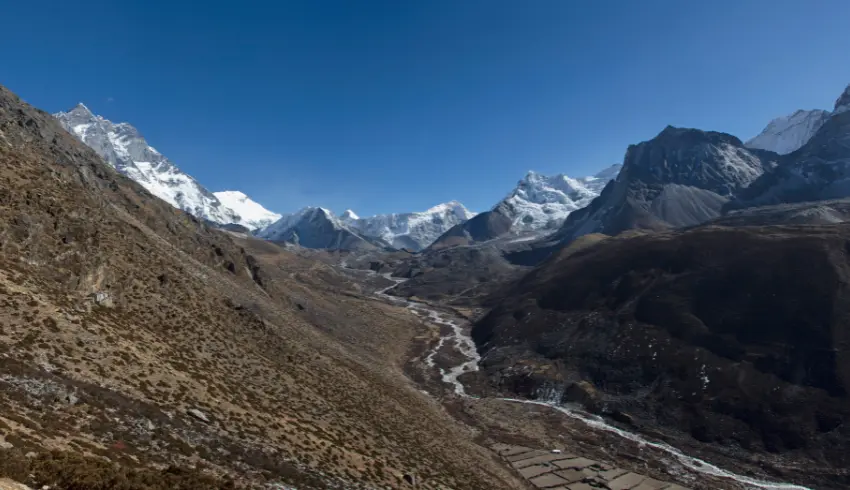
Chhukung is a famous Sherpa lodge village in Nepal’s Khumbu region. It is situated at an altitude of approximately 4,730 meters in the upper Imja Khola valley. The peak is surrounded by the towering peaks of Lhotse, Nuptse, and Ama Dablam.
It sits just off the main Everest Base Camp trail and is typically accessed via a side trip from Dingboche.
The valley is flanked by the Lho Glacier, Nup Glacier, Imja Glaciers, and the Chukhung Glacier, making it one of the most dramatically scenic staging points for any Himalayan expedition.
The climb begins at Chhukung, at 4,730 meters. This is a classic 3-day mountaineering expedition. It combines moderate trekking with steep, high-altitude alpine climbing. The route leads to a summit of 6,189 meters and requires advanced climbing gear, including an ice axe, crampons, and an ascender.
The distance from Chhukung to Island Peak Base Camp is approximately 5 kilometers. It typically takes three to four hours to hike.
During the expedition, climbers follow the route from Chhukung to Island Peak Base Camp. Then, climbers continue to High Camp and make an early morning summit attempt to reach the 6,189-meter peak. The climb requires physical preparation, proper acclimatization, and technical climbing skills.
We ensure proper guidance from experienced Sherpa climbing professionals. They prepare trekkers so that they can safely experience the challenge of Himalayan mountaineering.
Island Peak Climbing provides complete expedition support. It includes licensed climbing guides, required permits, climbing logistics, safety preparation, and personalized assistance throughout the journey.
Our local expertise helps climbers focus on the adventure while our team manages the technical and logistical aspects of the expedition.
Chhukung route to Island Peak summit
The trek from Chhukung to Island Peak Base Camp takes 4–5 hours on a well-used trail through the Imja Valley. The trek starts at 4,730 meters and climbs to 5,087 meters, where Base Camp sits on a moraine bench with solid views of the peak ahead.
The route is straightforward but steep, with loose rock, frost-shattered terrain, and the occasional crevasse crossing. After a night to acclimatize, climbers move up to High Camp at 5,600 meters the next day.
Here, guides run through the basics: how to use your crampons properly, how to clip into fixed ropes, and how to self-arrest if you slip. It’s not complicated, but it matters when you’re exhausted and cold. Summit day starts at 2 a.m.
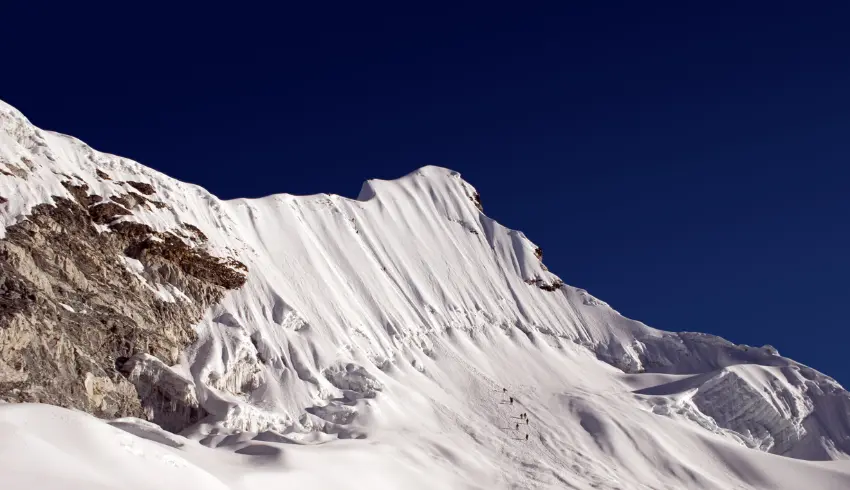
The glacier crossing in darkness is disorienting at first, but once the sun hits the headwall, a 45–50 degree ice face with fixed ropes anchored every 20 meters or so, the route becomes clear.
The climb is steep but manageable. At 5,800 meters, lungs will work hard, and legs will burn, but the rope is there, and the Sherpa is watching. The summit ridge is narrow but not technical.
Once climbers reach the summit at 6,189 meters, they see Everest, Lhotse, Makalu, and Ama Dablam all at once. On clear mornings it’s genuinely stunning.
The descent follows the same route back through High Camp and Base Camp, finishing in Chhukung by afternoon. Most climbers are exhausted but happy.
Best Time for 3-Day Island Peak Climbing
The best seasons for climbing Island Peak are spring (March to May) and autumn (September to November), when weather conditions are generally more stable, and visibility is excellent.
Autumn (September–November) is generally more stable. Weather patterns are predictable. Temperatures at the summit range from minus 5 to minus 15 degrees Celsius.
The post-monsoon visibility is exceptional; the view extends for miles. Winds are moderate most days. If the forecast looks promising, climbers proceed.
Spring (March–May) works too. Slightly warmer, minus 2 to minus 10 degrees, but with less predictable weather. More clouds. Success rates are comparable, but storms blow in faster.
Don’t climb in the monsoon (June–August). Daily thunderstorms, avalanche risk, and terrible visibility make conditions dangerous. Winter is brutal, with extreme cold, wind gusts over 60 km/h, and short daylight hours. It’s not worth it.
Plan to arrive in the Everest region 5–7 days before your summit push. That gives climbers time to acclimatize properly: Namche Bazaar one or two nights, Dingboche another night or two, and Chhukung for at least two nights. Don’t skip this. Rushing the acclimatization gets people sick.
Difficulty Level of Island Peak Climbing from Chhukung
Chhukung itself is a non-technical, moderate trekking village located at 4,730 meters, but it serves as a critical, high-altitude acclimatization hub for the Island Peak climb.
The difficulty at Chhukung is entirely physiological, as the thin air contains roughly 55% of the oxygen found at sea level. Climbers routinely experience mild symptoms of acute mountain sickness (AMS), such as headaches and sleeplessness, while resting in the local teahouses.
To mitigate this difficulty, itineraries require hikers to spend at least two nights here, using the day to complete steep, strenuous acclimatization hikes up Chhukung Ri (5,550m) or Imja Tse Base Camp.
These steep uphill hikes involve navigating loose scree and rocky terrain, which tests physical endurance and cardiovascular fitness before athletes even touch technical climbing gear.
Ultimately, Chhukung acts as the final gateway where hikers transition from standard trekking to strenuous, high-altitude mountaineering.
Physical and Mental Preparation
Physical Preparation
- Build cardiovascular endurance through hiking, running, cycling, or swimming in the months leading up to the expedition, gradually increasing duration and intensity over time.
- Train with a weighted backpack on long-distance hikes to closely replicate the physical demands of the climb.
- Strengthen legs, core, and upper body through exercises such as squats, lunges, step-ups, and core workouts to handle rocky moraines and steep ice slopes confidently.
- Gain prior experience at altitude if possible, as even moderate elevation exposure helps the body begin adapting to thinner air before the expedition.
- Practice using mountaineering equipment, including crampons, an ice axe, and a harness, before arrival to reduce the technical learning curve on the mountain.
Mental Preparation
- Develop a resilient mindset by practicing composure under physical discomfort during training and building the ability to make clear decisions when fatigued.
- Visualize the climb, study the route in advance, and set realistic expectations about the difficulty to reduce anxiety and build genuine confidence.
- Train to stay focused and determined during the steep 45 to 50 degree ice wall, which demands mental strength even when the body is exhausted.
- Accept that summit success is not guaranteed, as roughly half of all climbers do not reach the top due to weather, altitude sickness, or physical limitations on summit day.
- Be prepared to turn around if conditions demand it, as knowing when to descend is a mark of good judgement and mountaineering maturity, not failure.
- Arrive well rested, well informed, and with a positive but realistic attitude to give the strongest possible foundation for a safe and successful climb.
Accommodation & Meals
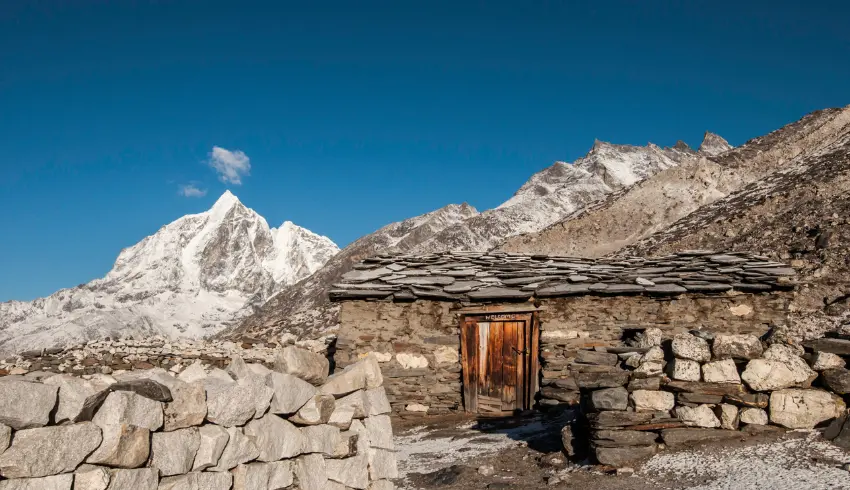
From Chhukung for the summit push, there are no permanent buildings or lodges. At Island Peak Base Camp (5,087m), climbers sleep in high-quality, insulated, weather-resistant mountain tents provided by the expedition team to shield from the elements during overnight stays.
A temporary camp is set up here, complete with a shared kitchen tent, a communal mess tent for dining, and basic toilet tents.
All daily meals are fully provided once the trek begins, ensuring three freshly cooked, high-carbohydrate plates, such as dal bhat, pasta, porridge, and hot soups, to maintain energy levels.
Standard hot drinks, including tea, coffee, and treated drinking water, are also included with trail meals. While stationed at Island Peak Base Camp, a dedicated camp cook prepares fresh, hot dishes directly inside the communal group mess tent.
How Much Does Climbing from Chhukung to Island Peak Cost?
The total cost for the Island Peak climb from Chhukung varies dynamically based on several operational factors rather than a single fixed fee.
Key cost drivers include group size, the ratio of climbing Sherpas to clients, the specific season of the climb, and whether a standard package or luxury accommodation upgrades in Kathmandu and along the lower trail are selected.
Contact our team directly for a fully customized itinerary with a precise, all-inclusive price quote tailored to specific travel dates and group preferences.
Why Book the Chhukung to Island Peak Climb with Us
We’re a government-licensed company based in Nepal with guides who actually know this mountain. We keep groups small, which means the Sherpa is paying attention to your breathing, your pace, and your mood, not managing 15 other climbers.
We arrange all permits so you don’t have to navigate bureaucracy. We provide excellent equipment and solid advice on what to bring, and we’ll get you out safely if something goes wrong. We’ve been doing this job for years. That’s what we offer.
Booking & Contact
Bookings for the Island Peak expedition from Chhukung are now open. Contact the team for available departure dates, permit information, equipment recommendations, and a customized all-inclusive price quote based on travel dates and group size.
The team provides end-to-end expedition management: government permits, licensed guides, technical climbing Sherpas, porters, camping equipment, and 24/7 support before, during, and after the climb.
Ready to climb? Contact us to reserve your spot and begin your Himalayan adventure.