Nestled deep into the hills of Nepal’s Khumbu region, Lukla is a small mountain town that plays an outsized role in Himalayan travel. Sitting at 2,860 metres (9,383 feet), it’s where nearly every journey to the Everest region begins. Every year, thousands of trekkers and climbers pass through this one small town before heading into some of the most dramatic mountain scenery on the planet.
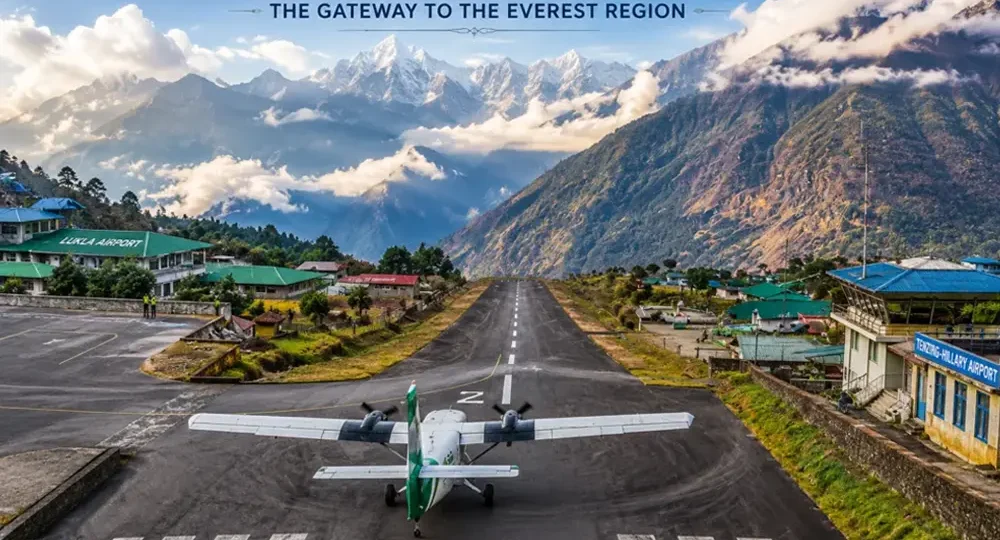
Lukla’s fame primarily stems from Tenzing-Hillary Airport, which is widely regarded as one of the most popular mountain airports in the world. Most travellers land here after a short flight from Kathmandu or Ramechhap, then set off on foot toward destinations like Everest Base Camp, Island Peak, Gokyo Lakes, or the Three Passes Trek. Since there is no direct road connection to Lukla, most travellers choose to fly from Kathmandu or Ramechhap, while helicopter transfers are also available for those seeking a faster option.

There’s more to the town than its runway, though. Walk through Lukla, and you’ll find Sherpa culture on full display: small monasteries, welcoming teahouses, and locals who’ve spent generations living alongside these mountains. It’s a wonderful place to catch your breath, pick up any last-minute gear, and settle into the rhythm of the Khumbu before the trekking really starts.
This guide explains everything you need to know before traveling to Lukla, including how high it is, how to get there, what Tenzing-Hillary Airport is like, the weather throughout the seasons, where to stay and eat, permits, the treks that begin here, and a few useful tips that make the trip easier.
Lukla Nepal Quick Facts
| Fact | Details |
| Location | Solukhumbu District, Koshi Province, Nepal |
| Elevation | 2,860 m (9,383 ft) |
| Known As | Gateway to the Everest Region |
| Famous For | Tenzing-Hillary Airport |
| Best Time to Visit | Spring (Mar–May) & Autumn (Sep–Nov) |
| Access | Flight from Kathmandu/Ramechhap or helicopter |
| Starting Point For | Everest Base Camp, Island Peak, Gokyo & Three Passes Trek |
| Accommodation | Hotels, lodges & teahouses |
| Permits | Sagarmatha National Park & Khumbu Pasang Lhamu Permit |
| Ideal Stay | 1–2 Days |
Lukla Location and Geography
Lukla is situated in the Khumbu area of Koshi Province’s Solukhumbu District in northeastern Nepal. It lies within the Khumbu Pasang Lhamu Rural Municipality at an elevation of 2,860 metres (9,383 feet) above sea level.
Geographically, Lukla is in the foothills of the Himalayas, surrounded by steep mountain valleys, alpine landscapes, and traditional Sherpa settlements. It is positioned approximately 138 km (86 miles) northeast of Kathmandu and serves as the main access point to the Everest region.
Due to its strategic location at the entrance to the Khumbu Valley, Lukla is the starting point for many of Nepal’s most popular trekking and climbing adventures, including the Everest Base Camp Trek, Island Peak Climbing, Gokyo Lakes Trek, and the Everest Three Passes Trek. Home to the famous Tenzing-Hillary Airport, Lukla has become one of Nepal’s most important mountain tourism hubs and the main gateway to the Everest region.
Why is Lukla called the Gateway to Everest?
Lukla is called the “Gateway to Everest” because it is the main entry point to Nepal’s Everest (Khumbu) region. Home to the famous Tenzing-Hillary Airport, it serves as the most common and practical starting point for trekkers and climbers heading into the Himalayas.
From Lukla, well-established trails lead to some of the region’s most iconic destinations, including Everest Base Camp, Island Peak, Gokyo Lakes, the Everest Three Passes Trek, Lobuche Peak, and Ama Dablam Base Camp.
Beyond its role as a transportation hub, Lukla offers visitors their first experience of Sherpa culture, traditional mountain villages, suspension bridges, Buddhist monasteries, and breathtaking Himalayan scenery. Its strategic location and direct access to the world’s most famous trekking routes have earned Lukla its well-deserved reputation as the gateway to Everest.
How to Get to Lukla
Reaching Lukla is the first significant step in any trip to the Everest region. Since no road connects it to Kathmandu, flying in is really the only option, either on a fixed-wing flight or by helicopter. During the busiest trekking months, many flights shift to Ramechhap Airport to ease congestion at Kathmandu’s domestic terminal.
Kathmandu to Lukla Flight
The most common way in is a 35 to 40-minute flight from Tribhuvan International Airport in Kathmandu. It’s a genuinely scenic ride, with the Himalayas visible for much of the way, ending with a landing at the famous Tenzing-Hillary Airport. Flights depend heavily on weather, so delays and last-minute cancellations aren’t unusual.
Ramechhap to Lukla Flight
During spring (March–May) and autumn (September–November), most Lukla flights actually depart from Manthali Airport in Ramechhap rather than Kathmandu, a change made to reduce air traffic at Kathmandu’s domestic airport. This means a 4 to 5-hour drive from Kathmandu to Ramechhap first, followed by a much shorter 20-minute flight to Lukla.
Helicopter Charter
If you want speed and flexibility, a helicopter is a good option. Private charters work well for families or small groups and can leave directly from Kathmandu. Shared helicopter flights are also an option for solo travelers looking to split the cost. Helicopters often become the backup plan when fixed-wing flights get grounded by weather, and they come with the added bonus of sweeping aerial views over the Himalayas.
Tenzing-Hillary Airport (Lukla Airport)
Tenzing-Hillary Airport is one of the most recognized mountain airports anywhere, and it’s the main air gateway into the Everest region Locals and travelers widely refer to it as Lukla Airport, although its official name is Tenzing-Hillary Airport (IATA code: LUA). Every trekking season, thousands of people pass through on their way to Everest Base Camp, Island Peak, Gokyo Lakes, and beyond.
Airport History
The airport dates back to 1964, built under the direction of Sir Edmund Hillary to improve access to the remote Khumbu region and support the local communities there. In 2008, it was officially renamed Tenzing-Hillary Airport, honoring both Sir Edmund Hillary and Tenzing Norgay Sherpa, the two men who first stood on the summit of Everest in 1953.
Why is Lukla Airport famous?
- Gateway to the Everest Region: It’s the starting point for the Everest Base Camp trek, Island Peak climbing, and most other Khumbu adventures
- A landing unlike most others, the short runway and mountain surroundings make takeoffs and landings genuinely thrilling to watch and experience
- High-altitude setting: Sitting around 2,860 meters (9,383 feet), the views start the moment you step off the plane
- Recognized worldwide, its dramatic setting and unusual runway have made it one of the most talked-about airports among adventure travelers
- Built with a purpose it exists to make the remote Everest region reachable without the long overland trek that used to be required
Best Time to Visit Lukla
Lukla is open year-round, but the experience changes quite a bit depending on the season. Spring (March–May) and autumn (September–November) offer the most stable weather, the clearest mountain views, and the most reliable flights. Summer brings monsoon rain and frequent delays, while winter offers quiet trails and snow but colder days. Which season suits you best depends on the kind of trip you’re after.
| Season | Weather | Temperature | Trail Conditions | Best For |
| Spring (March–May) | Clear skies and stable weather | 5°C to 15°C | Dry and colorful with blooming rhododendrons | Trekking, climbing, and mountain photography |
| Summer/Monsoon (June–August) | Warm with frequent rainfall | 10°C to 20°C | Wet, muddy, and cloudy | Experienced trekkers seeking fewer crowds |
| Autumn (September–November) | Dry, sunny, and excellent visibility | 5°C to 15°C | Ideal trekking conditions | Everest Base Camp, Island Peak, and all major treks |
| Winter (December–February) | Cold with occasional snowfall | -10°C to 8°C | Snow-covered at higher elevations | Quiet trekking and winter mountain scenery |
Spring (March–May)
Spring draws a lot of trekkers, and it’s easy to see why. The weather stays mild, skies tend to be clear, and rhododendrons bloom across the hillsides. Good visibility and comfortable daytime temperatures make it a solid choice for Everest Base Camp, Island Peak, Gokyo Lakes, and most other routes in the region.
Summer/Monsoon (June–August)
Summer overlaps with Nepal’s monsoon, which means regular rain, cloud cover, and higher humidity. Flights get delayed or cancelled more often, and trails can turn muddy. On the upside, everything turns green, the crowds thin out, and it can suit experienced trekkers who don’t mind a bit of unpredictability.
Autumn (September–November)
The best time of year to travel is usually considered to be autumn. Once the monsoon clears, the skies open up and the mountain views become genuinely spectacular. It is the busiest season on the trail due to its stable weather, dry trails, and pleasant temperatures, which make it perfect for both trekking and photography.
Winter (December–February)
Winter turns Lukla into a quieter, colder version of itself, with crisp air and snow settling in at higher elevations. Daytime trekking is still doable, but mornings and nights get seriously cold, and snowfall can affect the higher sections of trail. For travelers who want fewer people around and don’t mind bundling up, winter has its own kind of appeal.
Tea Houses, Lodges, and Hotels in Lukla
Lukla offers a wide range of teahouses, lodges, and hotels that provide comfortable accommodation for trekkers before or after their Everest region journey. Most places offer basic rooms, warm meals, Wi-Fi, charging facilities, and friendly Sherpa hospitality.
- Teahouses: Traditional mountain accommodations offering simple rooms, shared bathrooms, home-cooked meals, and a chance to experience local Sherpa culture.
- Lodges: More comfortable options with private rooms, attached bathrooms in some cases, hot showers, dining areas, and additional facilities.
- Hotels: Lukla has several modern hotels providing better comfort with private rooms, restaurants, Wi-Fi, and upgraded amenities.
- Facilities Available: Most accommodations provide meals, drinking water, charging services, internet access, and basic trekking support.
- Best Location: Staying near the main market area and Tenzing-Hillary Airport provides easy access to shops, restaurants, and flight services.
Things to Do in Lukla
Lukla is mostly known as a stepping-off point, but the town itself is worth a bit of your time before or after the trek.
Explore Lukla Village
Wander through Lukla’s streets, past traditional Sherpa homes, small teahouses, trekking gear shops, and local bakeries. It’s a good, low-key way to get a feel for mountain life before heading further into the Khumbu.
Visit Local Monasteries
A few Buddhist monasteries sit in and around Lukla, each offering a quiet look at the region’s spiritual side: prayer flags, spinning prayer wheels, old murals, and a calm you won’t always find once the trekking crowds pick up further along the trail.
Experience Sherpa Culture
Spend a little time speaking with locals, who are known across the world for their hospitality and mountaineering skills. Try some Sherpa food, ask about local customs, and get a sense of the culture that’s shaped life in the Khumbu for generations.
Explore Local Markets
Lukla’s small shops and markets sell trekking gear, handmade souvenirs, prayer flags, snacks, and other essentials. They’re also a good spot just to watch daily life in the town go by.
Photography
Between the mountain backdrop, colorful monasteries, Sherpa architecture, and the airport itself, there’s plenty to photograph in Lukla. The early morning and late afternoon are typically the best times to find light.
Begin the Everest Trek
For most people, this section is where the actual trek starts. From Lukla, the trail winds through villages, forests, suspension bridges, and river valleys toward some of Nepal’s most famous trekking destinations.
Popular Treks Starting from Lukla
Lukla is the starting point for many of Nepal’s most famous trekking and mountaineering adventures. Whether you’re planning a classic trek or a technical climbing expedition, these routes showcase the breathtaking beauty of the Everest region.
Everest Base Camp Trek
Nepal’s best-known trekking route takes you through Sherpa villages, old monasteries, and dramatic mountain scenery to the base of the world’s tallest peak. Most itineraries run 12 to 14 days and require decent physical fitness.
Island Peak Climbing
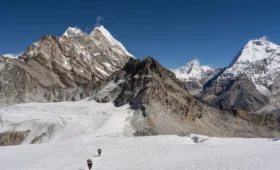
Island Peak (6,189 m) is one of the more approachable trekking peaks in Nepal and a solid entry point into Himalayan mountaineering. The route follows the Everest Base Camp trail before branching to Chhukung and then on to Island Peak Base Camp, mixing standard trekking with an actual summit climb.
Gokyo Lakes Trek
This route leads to a chain of turquoise glacial lakes and the well-known Gokyo Ri viewpoint. It’s quieter than the EBC trail and rewards trekkers with views of Everest, Cho Oyu, Makalu, and the Ngozumpa Glacier.
Everest Three Passes Trek
The toughest of the standard Khumbu routes, this trek crosses Kongma La, Cho La, and Renjo La while also taking in Everest Base Camp, Gokyo Lakes, and Kala Patthar. It’s built for trekkers who want the full Everest region experience and have the fitness to back it up.
Lobuche Peak Climbing
Lobuche East Peak (6,119 m) delivers strong views of Everest, Lhotse, Nuptse, and Ama Dablam. It’s a common next step for trekkers looking to move from high-altitude walking into more technical Himalayan climbing.
Ama Dablam Expedition
Ama Dablam (6,812 m), often called one of the most beautiful mountains anywhere, draws experienced climbers looking for a serious challenge. The route starts in Lukla and passes through traditional villages on the way to Ama Dablam Base Camp.
Mera Peak via Amphu Lapcha
This route pairs Mera Peak (6,476 m) with the technical Amphu Lapcha Pass, linking the remote Hinku Valley with the Everest region. It’s a demanding trip, but one that covers more varied and remote terrain than most standard treks.
Lukla to Everest Base Camp Trek
The Lukla to Everest Base Camp trek is probably the most famous multi-day hike in the world, and for good reason it combines real adventure, cultural immersion, and some of the best mountain views anywhere.
Starting in Lukla (2,860 m), the trail passes through Sherpa villages, forest, high alpine terrain, and dramatic landscapes on its way to Everest Base Camp (5,364 m), with Everest and its neighboring peaks visible for much of the route.
Distance
- One-way: roughly 65 km (40 miles)
- Round trip: roughly 130 km (80 miles)
Duration
- Typically 12–14 days, including acclimatization days
- Built around a gradual altitude gain for a safer trek
Difficulty
- Moderate to challenging
- No technical climbing skills needed
- Requires solid fitness, endurance, and proper acclimatization
- Long walking days and high altitude make preparation genuinely important
Highlights
- Tenzing-Hillary Airport (Lukla) one of the more memorable mountain flights you’ll take, and the start of the whole journey
- Namche Bazaar the Khumbu’s main trading hub, set among some genuinely striking mountain scenery
- Tengboche Monastery, the largest and most important monastery in the region, with views to match
- Dingboche a common acclimatization stop, known for its views of Ama Dablam
- Everest Base Camp the goal itself, sitting at the foot of the world’s highest mountain
- Kala Patthar Viewpoint sunrise views of Everest, Lhotse, Nuptse, and the surrounding giants
- Sherpa Culture & Himalayan Scenery: Villages, prayer flags, monasteries, and glaciers all along the way
Internet, Electricity & Mobile Network in Lukla
- Wi-Fi Availability
- Most hotels, lodges, and cafés in Lukla provide Wi-Fi services.
- Wi-Fi is usually available for an additional fee.
- Internet speed may vary depending on weather and network conditions.
- NTC (Nepal Telecom)
- Nepal Telecom provides the most reliable mobile coverage in the Everest region.
- The network works well in Lukla and nearby trekking areas.
- Coverage becomes limited at higher altitudes.
- Ncell Network
- Ncell services are available in Lukla and some lower trekking areas.
- Signal strength decreases as you move toward higher elevations.
- Charging Facilities
- Most hotels and teahouses offer charging facilities for mobile phones, cameras, and power banks.
- Charging services may require an additional fee.
- Carrying a power bank is recommended for higher-altitude sections.
ATMs and Money Exchange
- Lukla has a few ATMs, but they’re not always reliable due to power cuts or technical issues
- Don’t count on ATMs being available when you need them
- Bring enough Nepalese Rupees (NPR) from Kathmandu before starting the trek
- Cash covers accommodation, meals, Wi-Fi, charging, and general expenses
- Carry extra, since banking options get scarcer the higher you go
- Only a handful of businesses in Lukla accept credit cards
- Most teahouses and shops along the route are cash-only
- Bringing enough cash upfront is by far the easiest way to handle this
Lukla Trek Difficulty
The trek starting from Lukla is generally rated easy to moderate, depending on the specific route, how long you go, and how high you climb. It doesn’t require technical climbing, but the terrain, elevation, and shifting weather can still make it physically demanding.
- Difficulty Level: Easy to Moderate
- Walking Duration: Typically 4–7 hours a day on uneven mountain trails
- Altitude: Starts at Lukla (2,860 m), where some trekkers may first notice altitude effects
- Terrain: Stone steps, suspension bridges, uphill and downhill stretches, rocky sections
- Fitness Requirement: A reasonable level of fitness and some regular walking practice helps a lot
- Experience Needed: No prior trekking experience required, though preparation makes the trip more comfortable
- Best Preparation: Regular cardio, some strength training, and a gradual, well-paced ascent
Packing List
Clothing
- Moisture-wicking base layers
- Down jacket
- Waterproof jacket
- Trekking pants
- Thermal wear
- Warm hat and gloves
- Trekking socks
Gear
- Trekking backpack
- Trekking poles
- Sleeping bag
- Headlamp
- Water bottles
- Sunglasses
- Sunscreen
Documents
- Passport
- Trekking permits
- Travel insurance
- Flight tickets
- Passport-size photographs
Medicine
- Personal medications
- First-aid kit
- Altitude sickness medication (if advised)
- Pain relievers
- Blister treatment
Electronics
- Mobile phone
- Camera
- Power bank
- Charging cables
- Universal adapter
Safety & Travel Tips
- Altitude: Climb gradually, drink plenty of water, and give yourself proper time to acclimatize
- Flights: Expect occasional delays due to mountain weather, and keep an extra day free in your schedule
- Weather: Check the forecast regularly and pack clothing that can handle sudden changes
- Insurance: Get travel insurance that covers high-altitude trekking, helicopter evacuation, and medical emergencies
- Emergency: Save emergency contact numbers ahead of time and follow your guide’s instructions
- Book Lukla flights well in advance, especially in spring and autumn
- Carry enough cash, since ATMs and card payments are limited
- Keep at least one spare day in your itinerary for possible flight delays
- Start each day’s walk early to take advantage of clearer morning weather before afternoon clouds roll in
- Buy comprehensive travel insurance before you leave for the Everest region
Frequently Asked Questions
1. Why do flights to Lukla get delayed so frequently?
Flights to Lukla are often delayed because the airport is located in a high-altitude mountain area where weather conditions can change quickly. Cloud cover, strong winds, poor visibility, and unpredictable Himalayan weather can affect flight operations.
Our experienced team closely monitors Lukla flight schedules and weather updates, helping trekkers adjust their plans, manage delays, and arrange suitable alternatives when necessary.
2. What are the packing essentials for a multi-day trek from Lukla?
A multi-day trek from Lukla requires proper preparation with trekking boots, warm layers, waterproof clothing, a sleeping bag, trekking poles, sunglasses, sunscreen, personal medicine, and essential documents. Our experienced trekking team provides a detailed packing checklist based on your route, season, and altitude, ensuring you carry the right equipment without unnecessary weight.
3. Why is Lukla Airport considered famous worldwide?
Lukla Airport, officially known as Tenzing-Hillary Airport, is globally famous because it serves as the main air gateway to the Everest region and the starting point for thousands of trekkers heading toward Mount Everest. Its dramatic Himalayan location, short mountain runway, and challenging landing conditions have made it one of the most recognized airports in the world.
Despite its reputation, flights operate under strict weather conditions with experienced pilots who are familiar with mountain aviation. Our team helps travelers arrange reliable Lukla flights, provides updated travel guidance, and ensures a smooth beginning to their Everest region adventure.
4. Is Lukla safe for first-time trekkers?
Yes, Lukla is safe for first-time trekkers when they plan their journey properly, gradually acclimatize, and receive experienced support. Our professional local guides have extensive knowledge of the Everest region trails, altitude management, and mountain conditions, helping first-time trekkers complete their journey safely and confidently.
5. How early should I book a Lukla flight for my Everest trek?
It is recommended to book Lukla flights several weeks in advance, especially during the busy spring and autumn trekking seasons when demand is high. Our team helps clients secure suitable flight schedules in advance and provides assistance with changes caused by weather conditions or operational delays.
6. What happens if my Lukla flight is delayed or cancelled?
Lukla flights are highly dependent on mountain weather, so delays and cancellations can happen. Our team monitors flight updates closely and helps arrange alternative solutions, including rescheduling flights or organizing helicopter options when required, to minimize disruption to your trekking plan.
7. Do I need a guide and porter for a trek starting from Lukla?
Although experienced trekkers may travel independently, we highly recommend hiring a guide and porter for safety, navigation, and local support. Our licensed guides and experienced porters provide professional assistance throughout the trek, from route guidance and accommodation arrangements to cultural insights and emergency support.
8. Why choose your company for a Lukla and Everest region trek?
Choosing the right trekking company is important for a safe and enjoyable Himalayan experience. Our company is a locally operated Himalayan trekking specialist with experienced guides, strong knowledge of the Everest region, reliable logistics, and a commitment to safety, comfort, and personalized service for every traveler
9. Can your company arrange trekking permits required for Lukla and the Everest region?
Yes, trekkers need permits such as the Sagarmatha National Park Entry Permit and Khumbu Pasang Lhamu Rural Municipality Permit. Our team handles all required permit arrangements before your trek begins, ensuring a hassle-free experience while you focus on enjoying the Himalayan journey.
10. Is flying to Lukla Airport safe for trekkers?
Lukla flights are generally safe when operated under proper weather conditions and by experienced mountain pilots who are trained for Himalayan terrain. The airport follows strict safety procedures and only operates flights when visibility, wind, and weather conditions are suitable.
Our team helps travelers plan their Lukla flights carefully, stays updated with weather conditions, and provides reliable support to ensure a smooth and secure journey to the Everest region.
11. How do teahouses and lodges in Lukla stay warm during cold nights?
Most lodges and teahouses in Lukla use dining hall heaters, wood or fuel-based stoves, warm blankets, and insulated rooms to provide comfort during chilly mountain nights. Since temperatures can drop significantly, especially in winter, travelers are advised to carry proper warm clothing and sleeping gear.
Our team carefully selects reliable accommodations with comfortable facilities, ensuring trekkers have a warm and pleasant stay before beginning their Everest region journey.
12. What type of meals are available at restaurants in Lukla?
Restaurants in Lukla offer a mix of traditional Nepali dishes and international meals to meet the needs of trekkers. Visitors can enjoy local favorites like dal bhat, momos, noodles, soups, and Tibetan-style dishes, along with options such as pasta, pizza, sandwiches, and bakery items. Our team recommends trusted dining places and helps trekkers choose suitable meal options to maintain energy and comfort throughout their Everest region journey.
13. How can I book a flight to Lukla from Kathmandu?
Booking a flight to Lukla from Kathmandu is simple when arranged in advance, especially during the busy spring and autumn trekking seasons. Travelers can book flights through airlines, travel agencies, or trekking companies that manage flight arrangements as part of their packages.
Our team assists with Lukla flight bookings, schedule updates, and necessary arrangements to ensure a smooth start to your Everest region adventure.
14. Can I visit Lukla without trekking to Everest Base Camp?
Yes, you can visit Lukla without continuing to Everest Base Camp. Many travelers spend time exploring the town, experiencing Sherpa culture, visiting local monasteries, and enjoying mountain views before returning. Our team can arrange customized Lukla trips, short stays, and helicopter or trekking options based on your available time and travel preferences.
15. What is the best month to fly to Lukla?
The best months to fly to Lukla are generally October, November, April, and May, when the weather is more stable, visibility is excellent, and flight conditions are usually favorable.
However, Himalayan weather can change quickly at any time of the year. Our team regularly monitors flight conditions and helps travelers choose the best travel period while managing possible weather-related changes.
16. How long does it take to reach Everest Base Camp from Lukla?
The Everest Base Camp trek from Lukla usually takes around 12 to 14 days, including acclimatization days needed for safe altitude adjustment. The route passes through famous Sherpa villages such as Namche Bazaar, Tengboche, and Dingboche before reaching Everest Base Camp at 5,364 meters.
Our experienced guides carefully manage pacing, accommodation, and acclimatization to provide a safe and enjoyable trekking experience.
17. Are there ATMs and money exchange facilities in Lukla?
Yes, Lukla has limited ATM and money exchange facilities, but availability and reliability can vary due to technical issues or power conditions. It is recommended to carry enough Nepalese currency before starting your trek. Our team provides practical advice on money preparation and helps trekkers understand expected expenses throughout the Everest region journey.
18. What should I know before staying overnight in Lukla?
Before staying overnight in Lukla, travelers should expect mountain-style accommodation with basic but comfortable facilities. Most hotels and lodges provide warm meals, Wi-Fi, charging services, and comfortable rooms, though facilities may be more limited compared to cities.
Our team arranges reliable accommodations and selects suitable lodges to ensure trekkers have a comfortable stay before or after their Himalayan journey.
19. Can I take a helicopter from Kathmandu to Lukla?
Yes, helicopter flights from Kathmandu to Lukla are available and provide a faster and more flexible travel option compared to regular flights. Helicopters especially benefit travelers with limited time or when weather conditions affect fixed-wing flights. Our team helps arrange helicopter services, coordinates schedules, and provides suitable transportation solutions for a smooth journey to the Everest region.
20. Why choose Island Peak Climbing for a Lukla trekking experience?
Choosing a trusted local trekking company ensures better planning, safety, and support throughout your Himalayan journey. Our company specializes in Everest region trekking with experienced local guides, reliable logistics, carefully selected accommodations, and personalized services.
From Lukla flight arrangements and permits to accommodation and trekking support: Our team manages every detail to provide a safe, comfortable, and memorable Everest experience.
Conclusion
Lukla is small, but it plays a key role in Himalayan trekking. As the only real entry point into the Khumbu region, it’s the place where nearly every Everest adventure officially begins, whether that’s a two-week trek to base camp, a technical climb up Island Peak, or a quieter walk to Gokyo Lakes.
Beyond the airport and the logistics, it also offers a genuine first taste of Sherpa culture and mountain life before the trail gets serious. With the right season, proper acclimatization planning, and a bit of flexibility built into your schedule for weather delays, Lukla sets the tone for what is often a life-changing trip into the Everest region. Plan ahead, pack smart, and the mountains will take care of the rest.
Plan Your Lukla Everest Adventure
Ready to explore Lukla and the Everest region? Our experienced local team can arrange flights, permits, accommodation, and professionally guided trekking packages from Lukla to Everest Base Camp, Island Peak, and beyond. Contact us today to start planning your Himalayan adventure.