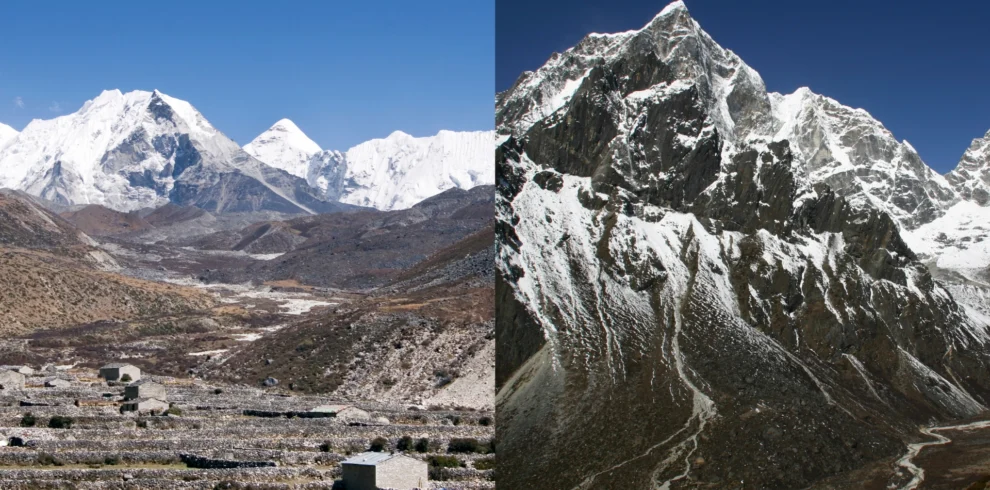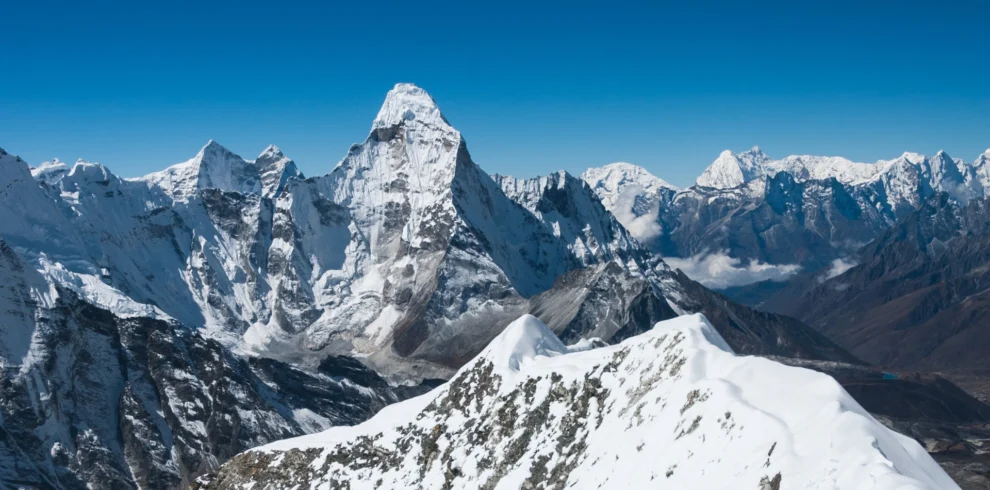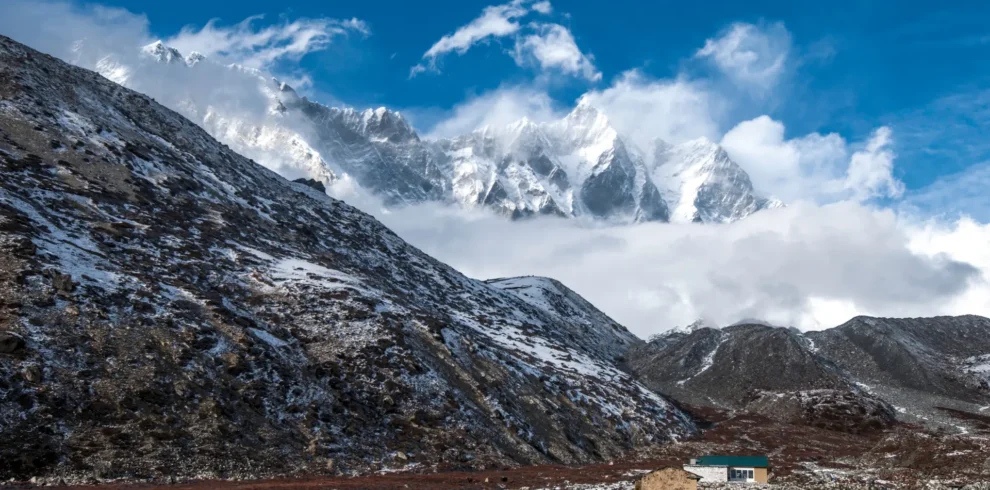
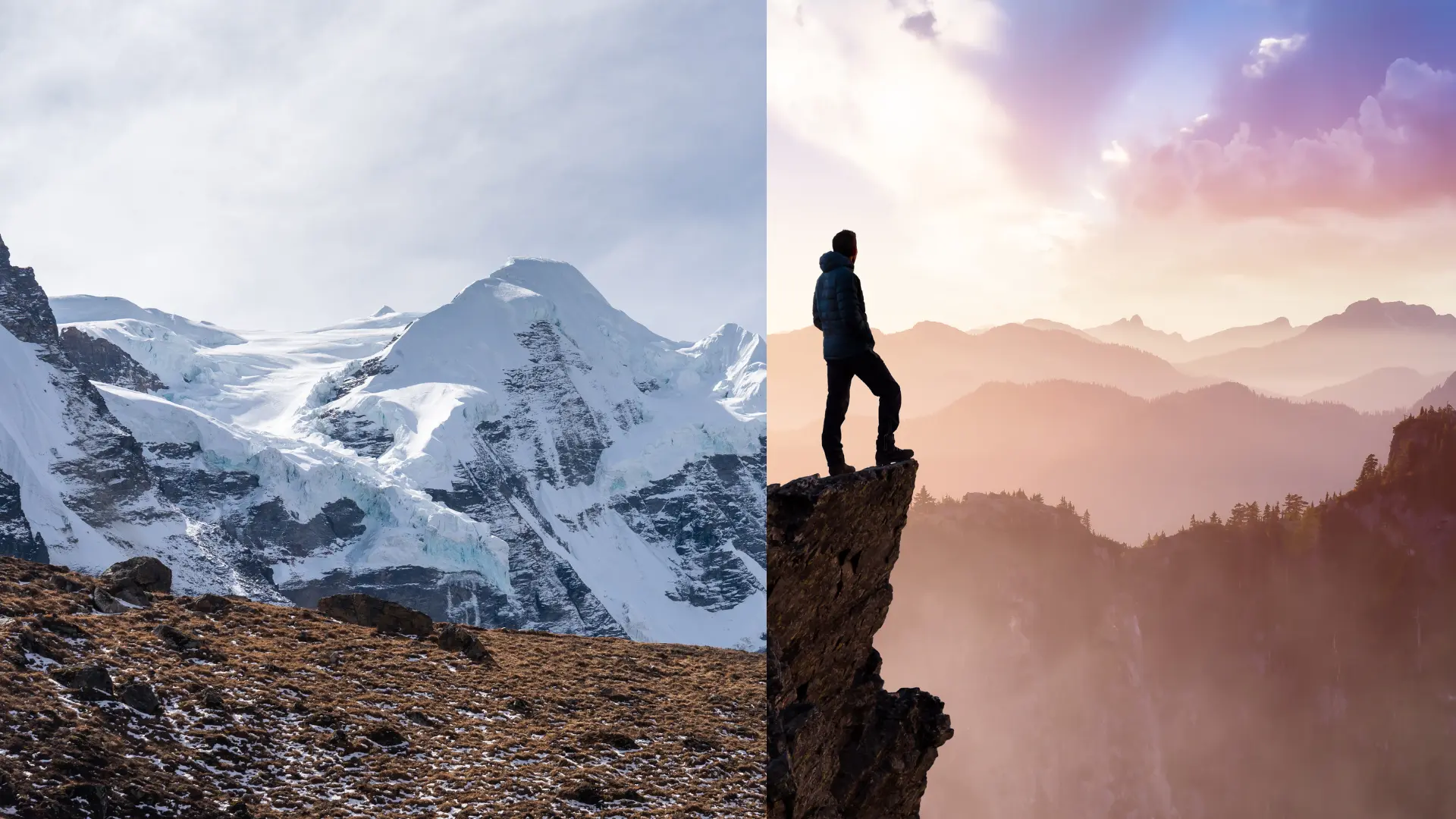
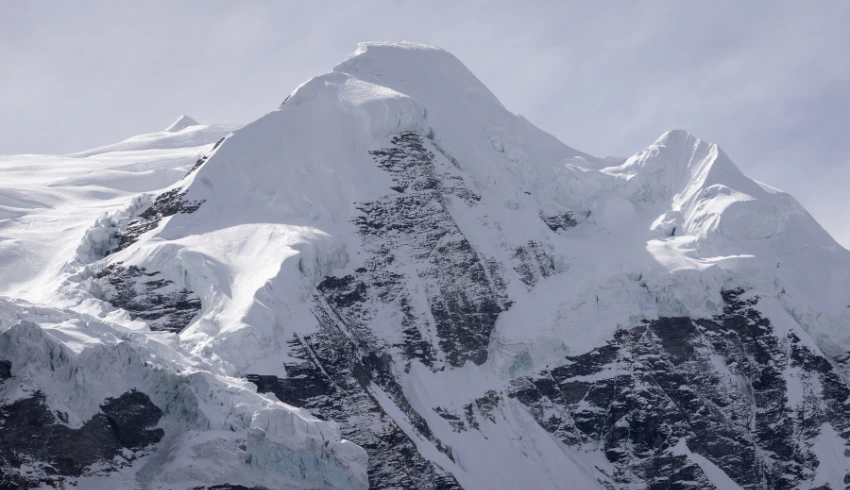
Island Peak and Mera Peak Climbing is a remarkable Himalayan adventure that combines two of Nepal’s most rewarding trekking peaks into one unforgettable expedition. Journey through the stunning Everest region, experience high-altitude trekking, and stand on the summits of Mera Peak (6,476m) and Island Peak (6,189m) with expert local guidance. Designed for passionate adventurers, this climb offers the perfect blend of challenge, breathtaking mountain scenery, and a true Himalayan summit experience.
Island Peak and Mera Peak Climbing Highlights
- Cross the Zatrawala Pass (4,610 m), which links Chutanga to Zatrabok High Camp (4,704 m) and is one of the trip’s first major alpine climbs.
- Enjoy dedicated acclimatization days at Thangnak (4,600 m) and at Panch Pokhari. Both are rest stops built for acclimatization. They come before the two toughest push days.
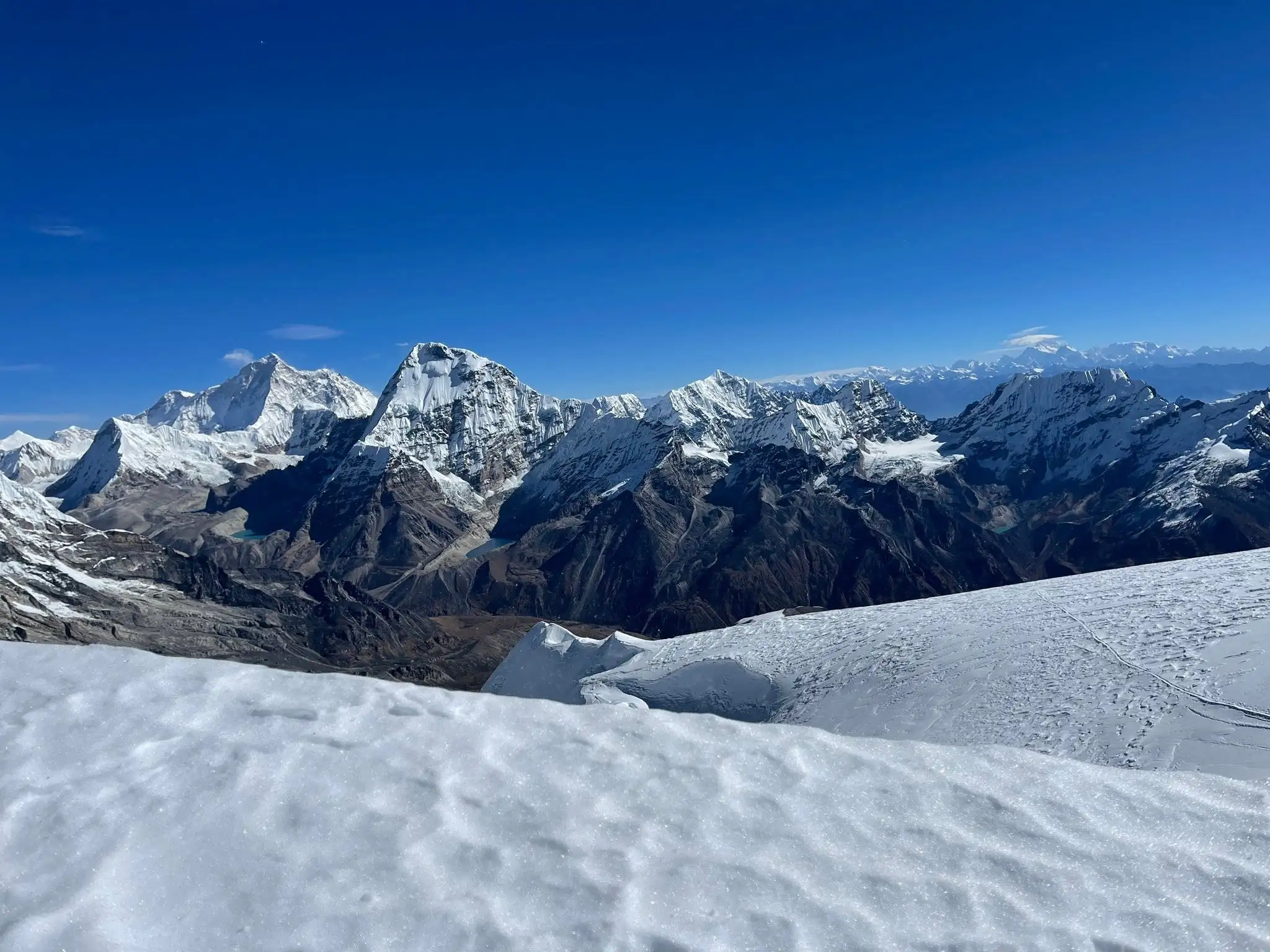
- Summit Mera Peak (6,476 meters), Nepal’s highest trekking peak, after staging through Khare, Mera Base Camp, and Mera High Camp.
- Experience the remote Honku Valley en route to Panch Pokhari (5,200 m), the sacred “Five Holy Lakes,” a stretch far off the standard Everest trail.
- Experience the thrilling Amphu Lapcha La Pass (5,845 m) as you cross from Amphu Lapcha La Base Camp to Chhukung through a dramatic high-altitude landscape.
- Summit Island Peak (6,189 m), staged through Chhukung, Island Peak Base Camp, and Island Peak High Camp, the trip’s second and final summit.
- Witness classic Khumbu villages, Pangboche, Namche Bazaar, and Lukla, trading high-altitude camps for teahouses, monasteries, and Sherpa hospitality on the way out.
- Complete two 6,000+ meter summits, Mera Peak and Island Peak, in one 25-day expedition.
Quick Facts
| Duration | 25 days, including trekking, climbing, rest, and acclimatization |
| Highest Point | Mera Peak, 6,476 m |
| Best Time to Go | Spring (March–May) and autumn (September–November) |
| Group Size | Small groups of 4–12 climbers; private trips available |
| Accommodation | Hotels in Kathmandu, teahouses on the trek, tents at high camps |
| Transportation | Domestic flight between Kathmandu and Lukla |
| Start/End Point | Kathmandu |
| Climbing Difficulty | Moderate to challenging |
| Trekking Distance | Roughly 180–200 km, depending on the exact route and conditions |
| Daily Trekking Time | 3 to 8 hours; summit days run 8–14 hours |
| Permits Needed | Mera Peak Permit, Island Peak Permit, Makalu Barun National Park Permit, Sagarmatha National Park Permit, Khumbu Pasang Lhamu Rural Municipality Permit, and other applicable local permits |
Overview of Island Peak and Mera Peak Climbing
Island Peak and Mera Peak Climbing is a challenging yet rewarding Himalayan expedition in Nepal. It combines two iconic 6,000-meter trekking peaks into one unforgettable adventure. This 25-day guided expedition takes you to the summit of Mera Peak (6,476m) and Island Peak (Imja Tse) (6,189m) in the Everest region.
Island Peak Climbing operates the trip. It is one of the trusted companies specializing in the Everest region of Nepal. This combined trek is for adventure seekers who want to experience high-altitude trekking, glacier travel, technical climbing, and authentic Sherpa culture in the Himalayas.
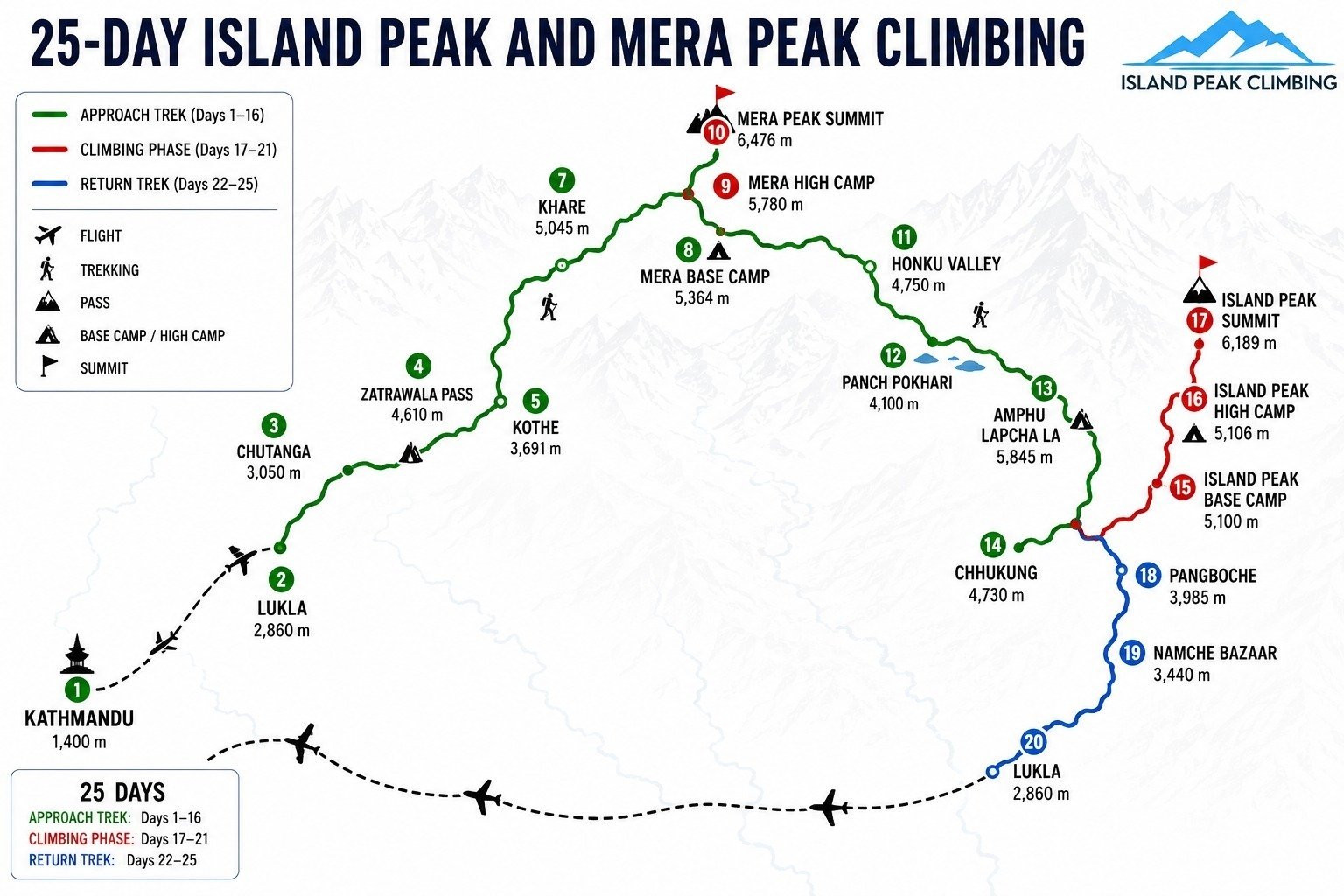
The route begins in Kathmandu and heads through Chutanga and the Zatrawala La Pass into the quiet Hinku Valley. From there it continues into the remote Honku Valley, passes the sacred lakes of Panch Pokhari, and crosses the technical Amphu Lapcha La Pass into the Everest region.
Along the way, climbers experience remote mountain landscapes, traditional Sherpa villages, ancient monasteries, suspension bridges (Jholunge Pool), and breathtaking views of some of the world’s highest peaks.
Unlike standard trekking, the Mera Peak and Island Peak climbing package offers two different summit experiences. Mera Peak provides an excellent introduction to high-altitude glacier climbing. Island Peak challenges climbers with steeper snow slopes, fixed ropes, and technical sections that make it one of Nepal’s most popular Himalayan climbing peaks.
The trip has two main goals. The first is Mera Peak (6,476 m), Nepal’s highest trekking peak. The second is Island Peak (6,189 m), which involves steeper snow and ice and is known as one of the popular peaks.
A good level of fitness and mental toughness makes the experience more enjoyable. Built-in acclimatization days help keep both summits within reach.
We plan each day’s distance and altitude gain with rest in mind. This gives the body time to adjust before each summit push. Lower down, trekkers stay in teahouses. Higher up, the trip moves into tents, both set up to support proper rest.
This Island Peak and Mera Peak expedition in Nepal is suitable for physically prepared trekkers who want to progress from trekking to Himalayan mountaineering.
If Nepal trekking is on your bucket list, then this combined package is a must-experience in your lifetime. You can get in touch to book or inquire about the 25-day trip. Our guides lead the way through genuine cultural moments and the experience.
Mera and Island Peak Climbing Route
The Mera and Island Peak route opens with a scenic flight from Kathmandu to Lukla, then a trek through Chutanga and over the Zatrawala La Pass (4,610 m) to the high camp of Zatrabok, descending into the Hinku Valley through Kothe and Thangnak.
From there, the route climbs through Khare to Mera Base Camp and Mera High Camp, where you’ll push for the summit of Mera Peak.
After summiting Mera Peak, you descend back to Mera Base Camp and continue through the remote Honku Valley to Panch Pokhari, the sacred “Five Holy Lakes.
From there, the route climbs to Amphu Lapcha La Base Camp and crosses the technical Amphu Lapcha La Pass (5,845 m) into Chhukung, then continues to Island Peak Base Camp and Island Peak High Camp.
The final push up Island Peak involves glacier travel, fixed ropes, and steep snow and ice, rewarding you with sweeping views of Everest, Lhotse, Nuptse, and Ama Dablam. What makes this route stand out is the mix: steady acclimatization, genuinely remote landscapes, real Sherpa culture along the way, and two summits rather than one.
Best Season to Climb
The best time to climb Island Peak and Mera Peak is during the autumn (September to November) and spring (March to May) seasons. Autumn, specifically October, is the absolute prime window, offering the crispest post-monsoon visibility, the most stable weather, and the lowest wind speeds for the exposed high-altitude terrain.
Spring, specifically April, is equally excellent, providing longer daylight hours, warmer climbing temperatures, and optimal, consolidated snow conditions for managing the technical crevasses and the steep, glacier-covered crossing of the Amphu Lapcha La Pass.
Weather and Temperatures
This trip moves through Nepal’s high-altitude Everest region, where weather can shift fast depending on elevation and time of year. During the spring and autumn climbing seasons, lower areas like Lukla, Kothe, and Namche Bazaar typically sit at 10–20°C during the day, dropping to 0–8°C overnight.
Daytime temperatures usually range from -5°C to 8°C above 5,000 meters (Khare, Mera Base Camp, Amphu Lapcha La Pass, and Island Peak High Camp), with nights dropping to -15°C or even -25°C. Summit mornings on both Mera Peak and Island Peak are usually the coldest part of the whole trip, and wind chill makes it feel even colder than the thermometer says.
Spring brings warmer days and blooming forests lower down; autumn brings clearer skies and drier trails after the monsoon. Either way, pack for sudden snow, strong wind, and big temperature swings; proper high-altitude clothing isn’t optional on this trip.
How Difficult Is This Trip?
We consider the Journey a challenging expedition, a mix of high-altitude trekking and entry-level technical mountaineering. You’ll move through the remote Hinku and Honku Valleys, visit the sacred lakes of Panch Pokhari, cross the demanding Amphu Lapcha La Pass (5,845 m), and climb above 6,476 meters at the highest point.
You don’t need prior climbing experience, but solid fitness, real endurance, and some background in high-altitude trekking will help a lot.
The itinerary builds in acclimatization days, hands-on climbing instruction, and experienced Sherpa guides to keep both safety and summit chances on your side.
Daily trekking runs 3 to 8 hours, stretching to 8–14 hours on summit days, across glaciers, rocky glacial terrain, steep snow, and fixed-rope sections, all while carrying your own daypack.
Although previous technical climbing experience is not required, we strongly recommend prior high-altitude trekking experience above 4,500 meters. Treks such as Everest Base Camp, Gokyo Lakes, Manaslu Circuit, Annapurna Circuit, or Kilimanjaro provide excellent preparation for this expedition.
Climbers without prior high-altitude experience may find the physical demands, altitude, and consecutive summit days significantly more challenging.
Mera Peak is the more approachable of the two, mostly a non-technical snow climb. Island Peak is more demanding; you will need crampons, a harness, and fixed ropes. Good preparation, a determined mindset, and listening to your guide will get you both up safely.
Trekking side of things:
- Moderate to challenging, around 180–200 km total
- 3–8 hours of walking most days, longer on summit days
- Walking above 5,000 metres takes real endurance
- Trails run through forest, rock, glacial terrain, alpine valley, and mountain pass
- The Amphu Lapcha La Pass (5,845 m) crossing is a serious alpine challenge on its own
- Some multi-day trekking experience beforehand is a big help
Climbing side of things:
- Mera Peak (6,476 m): moderate, mostly steady glacier travel with limited technical sections
- Island Peak (6,189 m): more technical, fixed ropes, snow and ice slopes, glacier crossings, and crevasses to navigate
- You’ll need crampons, harness, helmet, ice axe, and fixed ropes
- Summit days mean 8–14 hours of continuous climbing and descending at serious altitude
- Guides supervise the climb closely from start to finish
Getting Ready: Training and Preparation
Start training at least 3–6 months out if you can. Cardiovascular fitness matters most: hiking, running, cycling, swimming, stair climbing—whatever keeps your heart rate up and builds endurance over time.
Add in strength work for legs, core, shoulders, and back, plus some balance and flexibility training. Hike with a loaded pack when you can, and if you’re able to fit in a few long day hikes or a multi-day trek beforehand, it’s even better.
A basic mountaineering course covering crampons, ice axe use, and fixed ropes is a real bonus if you have access to one.
This 25-day adventure involves trekking and climbing above 6,000 meters, crossing glaciers, negotiating steep snow, and spending long days in tough mountain conditions, so mental readiness matters as much as physical fitness. Long summit days, shifting weather, and altitude fatigue call for patience and a steady, positive attitude.
Useful skills to have:
- Solid overall fitness and cardiovascular endurance
- Prior high-altitude trekking experience (strongly recommended)
- Basic familiarity with crampons, harnesses, and fixed ropes (helpful, not mandatory)
- Ability to hike multiple consecutive days carrying a daypack
- Mental resilience for long summit days and shifting conditions
- Willingness to learn mountaineering technique from the guides
- Ability to follow safety instructions and work well within a team
Tips that genuinely help:
Bring all the clothing and gear recommended for high-altitude mountaineering
Begin training 3–6 months ahead of departure
Build cardio through hiking, running, cycling, or swimming
Add resistance training for legs, core, back, and shoulders
Practice hiking with a 10–15 kg pack on uneven ground
Do a high-altitude trek beforehand if you can fit one in
Learn the basics of crampons, ice axes, harness, and fixed ropes
Eat well and stay hydrated before and during the trip
Prioritize sleep; recovery matters as much as effort
Never skip an acclimatization day
Keep a slow, steady pace to conserve energy at altitude
Skip alcohol and smoking during the trip; both raise altitude sickness risk
Stay flexible and positive when weather forces changes, and follow your guide’s call
Tell your guide right away if you’re feeling off
Accommodation and Meals
Where you sleep depends on the region. In Kathmandu, you’ll have comfortable hotel rooms with private bathrooms, hot showers, Wi-Fi, and breakfast included.
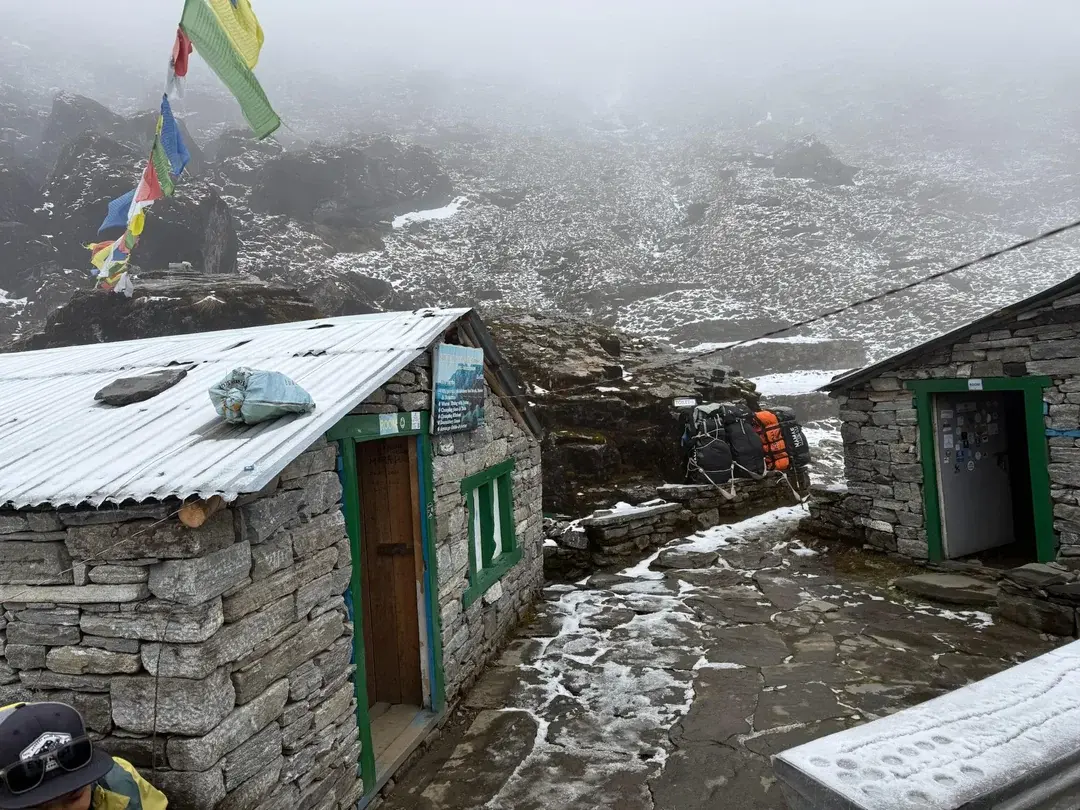
On the trekking sections, through villages like Chutanga, Kothe, Thangnak, Pangboche, Namche Bazaar, and Lukla, you’ll stay in locally run teahouses with simple twin-share rooms, shared dining areas warmed by a stove, and bathrooms that are often shared at higher elevations. You can sometimes pay extra for hot showers, charging, and Wi-Fi.
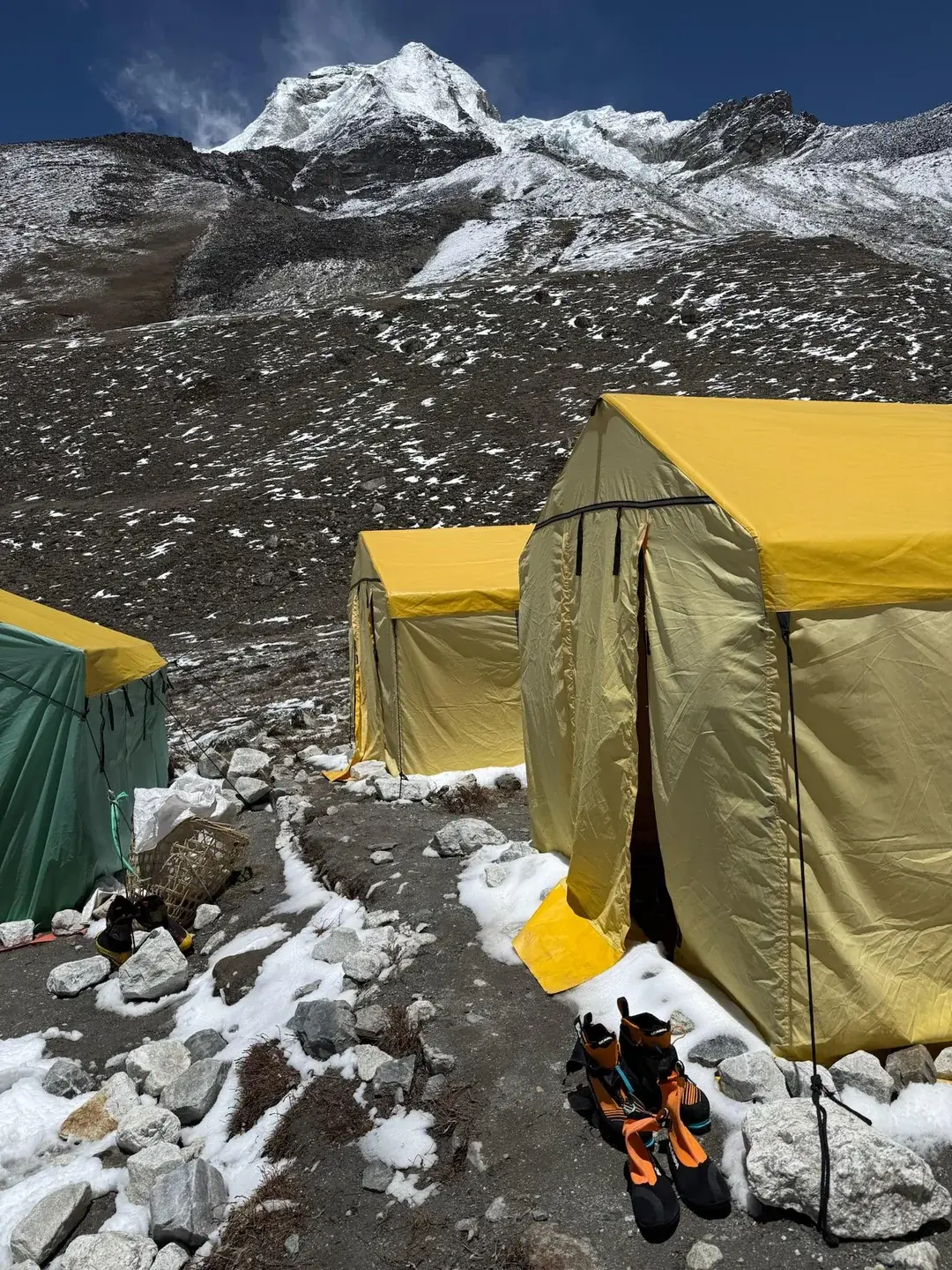
During the climbing phase at Zatrabok, Khare, Mera Base Camp, Mera High Camp, Honku Valley, Panch Pokhari, Amphu Lapcha La Base Camp, Chhukung, Island Peak Base Camp, and Island Peak High Camp, our team sets up sleeping tents, a dining tent, and a kitchen, and cooks fresh meals three times a day: think porridge, eggs, bread, pancakes, rice, noodles, pasta, potatoes, soups, vegetables, dal bhat, and plenty of tea, coffee, and fruit
Who Can Do This Island Peak and Mera Peak Climbing Trip
This expedition best suits travelers who are in excellent physical shape, mentally determined, and have some high-altitude trekking experience.
Technical mountaineering experience helps, but you don’t need it; the guides run hands-on training in crampons, ice axes, harnesses, fixed ropes, and glacier and rope-rescue basics along the route.
It’s a natural next step if you’ve already done something like Everest Base Camp, the Annapurna Circuit, or the Manaslu Circuit and want to move into introductory alpine climbing.
You should be comfortable walking 3–8 hours a day, with summit days stretching to 8–14 hours above 6,000 meters. That calls for solid cardiovascular fitness, the mental grit to push through cold and thin air, and a willingness to follow your guides’ calls, including last-minute itinerary changes when the weather turns. Safety always comes before the summit.
This trip is a good fit if you are
Simply up for a serious Himalayan adventure, with the fitness and determination to back it.
Fit and ready for long days on your feet, in snow, at altitude
Comfortable with multi-day, high-altitude trekking
New to technical climbing but willing to learn (crampons, ice axe, rope work)
An experienced trekker or mountaineer looking for more of a technical challenge
Traveling solo and happy to join a guided group
Why book the Mera and Island Peak climbing package with us?
- Expert Himalayan guides with years of experience on Mera Peak, Island Peak, and Everest region treks.
- Full-service Mera and Island Peak climbing packages include permits, logistics, and domestic flights.
- Safe and well-planned itineraries with proper acclimatization for high-altitude success.
- High-quality accommodation: hotels in Kathmandu, teahouses during the trek, and comfortable high-altitude camps.
- Comprehensive pre-trip support, including gear advice, fitness tips, and expedition briefing.
- Small group sizes and private trip options for personalized attention and safety.
- Focus on cultural immersion with visits to Sherpa villages and local monasteries.
- 24/7 support from our team for emergencies, weather updates, and expedition guidance.
Booking and Contact
Ready to take on the challenge of climbing Island Peak and Mera Peak? Contact our experienced team to check available departure dates, customize your itinerary, and get expert guidance for your Himalayan expedition. We are here to help you plan a safe, well-organized, and unforgettable peak climbing experience in Nepal.