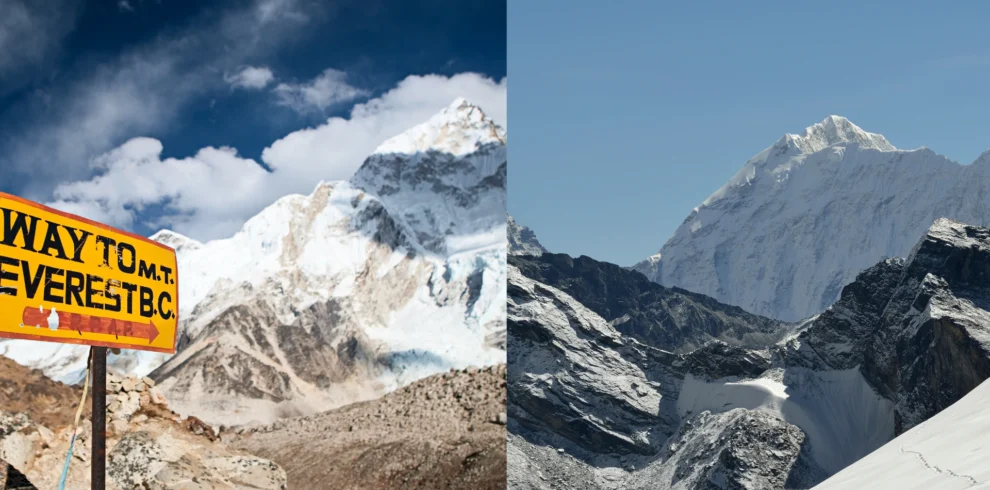
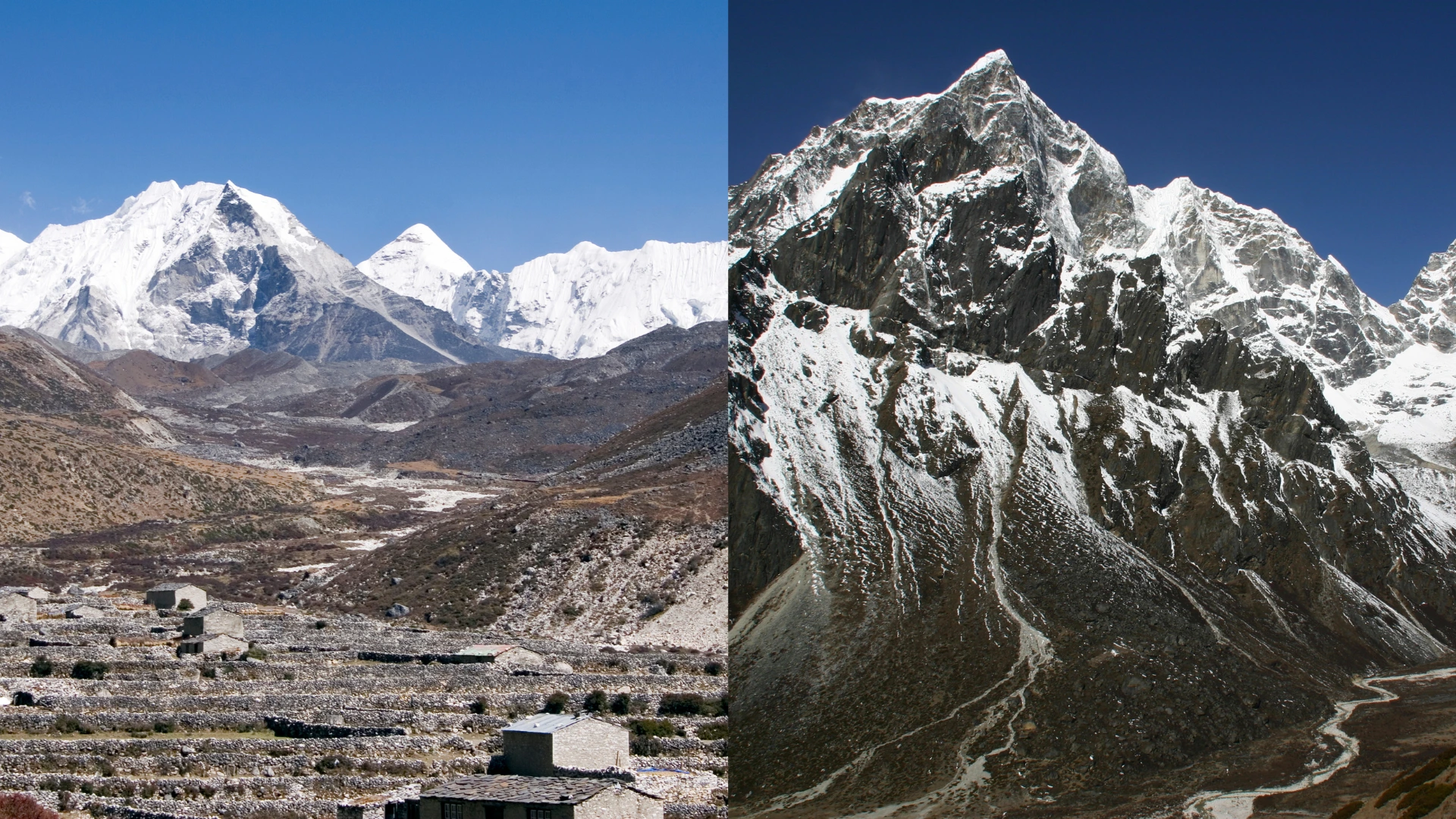
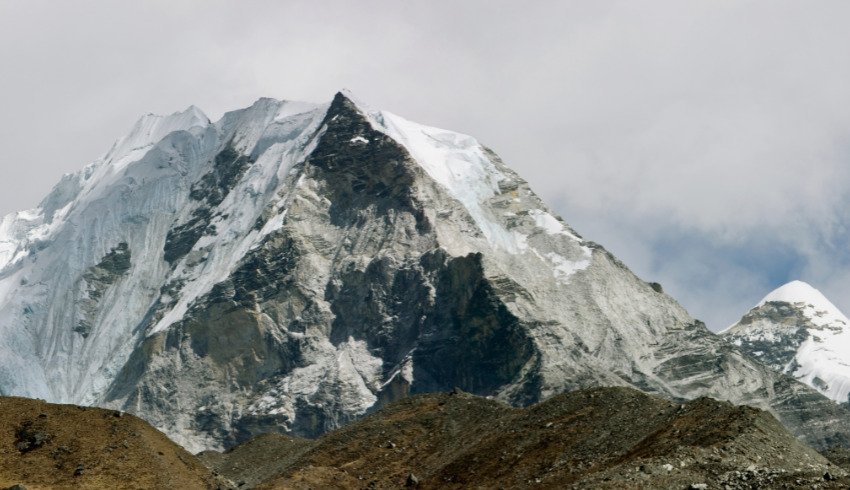
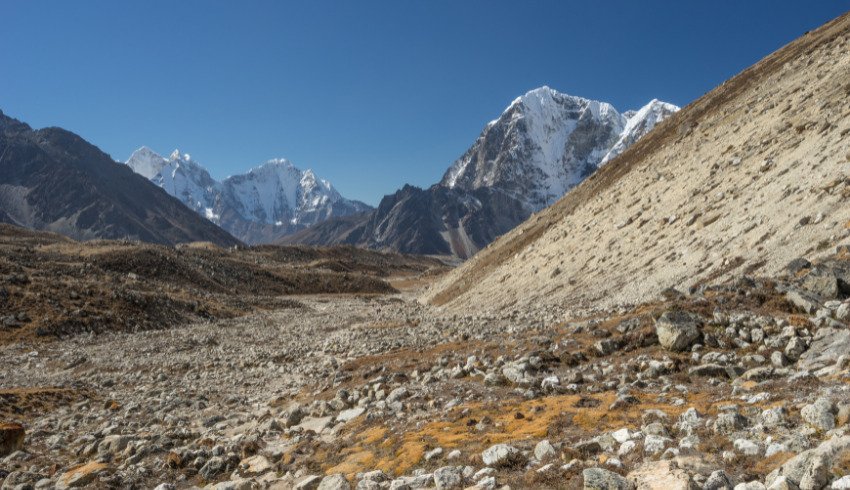
The Island Peak and Lobuche Peak climbing is a challenging Himalayan double-peak expedition in Nepal’s Everest region. It combines summiting Island Peak (6,189 m) and Lobuche East Peak (6,119 m) with the legendary Everest Base Camp trekking route. This 22-day guided climbing adventure offers trekkers technical Himalayan mountaineering with professional Sherpa guides, proper acclimatization, and comprehensive expedition support.
Key Highlights of Island Peak and Lobuche Peak Climbing
- Summit two iconic Himalayan trekking peaks in one expedition: Island Peak (6,189m) and Lobuche East Peak (6,119m) in Nepal’s Everest region.
- Trek through the legendary Khumbu Valley, passing Lukla, Namche Bazaar, Tengboche, Dingboche, and Chhukung on the classic Everest Base Camp route.
- Experience a complete 22-day guided climbing journey combining high-altitude trekking, glacier travel, and technical peak climbing.
- Learn essential mountaineering skills at Island Peak Base Camp, including crampon use, fixed-rope techniques, harness handling, and ice axe movement.
- Follow a gradual acclimatization plan with rest days in Namche Bazaar and Dingboche to improve safety and summit preparation.
- Choose the best route conditions with expert guidance, including the Kongma La Pass crossing or, when required, the alternative Dingboche route.
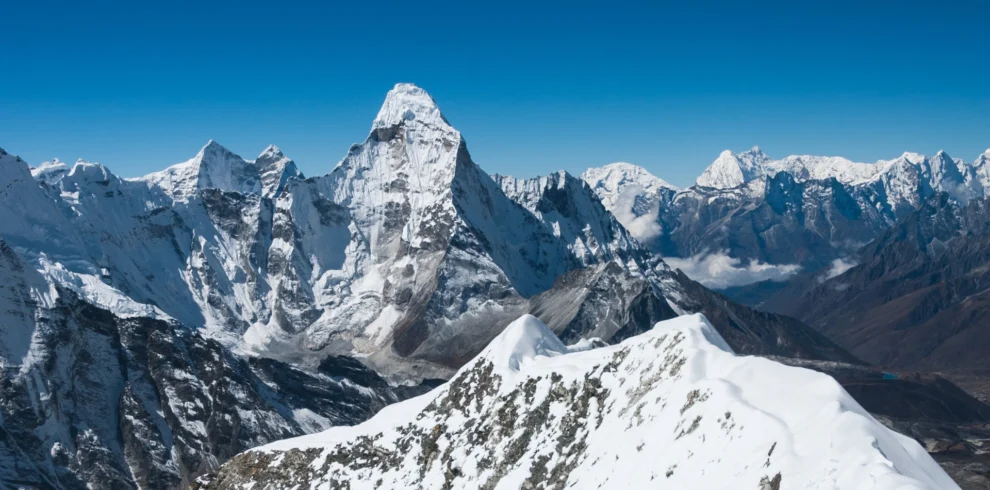
- Enjoy spectacular Himalayan views of Everest, Lhotse, Nuptse, Makalu, Ama Dablam, Baruntse, and surrounding Khumbu glaciers.
- Stay in traditional Sherpa teahouses and comfortable expedition camps during the climbing stages.
- Climb with experienced local Sherpa guides who provide technical support, safety management, and expedition guidance throughout the journey.
Quick Facts
| Trip Name | Island Peak & Lobuche Peak Climbing Expedition |
| Duration | 22 Days / 21 Nights |
| Highest Elevation Reached | Island Peak – 6,189 m (20,305 ft) | Lobuche Peak – 6,119 m (20,076 ft) |
| Difficulty Level | Moderate to strenuous, with technical sections on both summits |
| Best Seasons | Spring (March–May) and autumn (September–November) |
| Group Size | 2 to 12 participants; private groups available |
| Starting Point | Kathmandu, Nepal |
| Destination | Everest Region (Khumbu Valley), Sagarmatha National Park |
| Accommodation | Teahouses and lodges on trek; expedition tents at base camp and high camp |
| Meals | Full board on trek (breakfast, lunch, dinner) plus hotel meals in Kathmandu |
| Transportation | Domestic flights (Kathmandu–Lukla–Kathmandu) and private vehicle transfers |
Overview of Island Peak and Lobuche Peak Climbing
Island Peak (Imja Tse, 6,189 m / 20,305 ft) and Lobuche Peak (6,119 m / 20,076 ft) are two of Nepal’s most popular trekking peaks. This 22-day itinerary combines them into a single expedition through the Khumbu region instead of two separate trips.
The journey begins with a scenic flight to Lukla. It continues through the famous Sherpa village. The trek passes through pine forests and over suspension bridges that span the Dudh Kosi River. The trek includes stops at Namche Bazaar, Tengboche, Dingboche, and Chhukung.
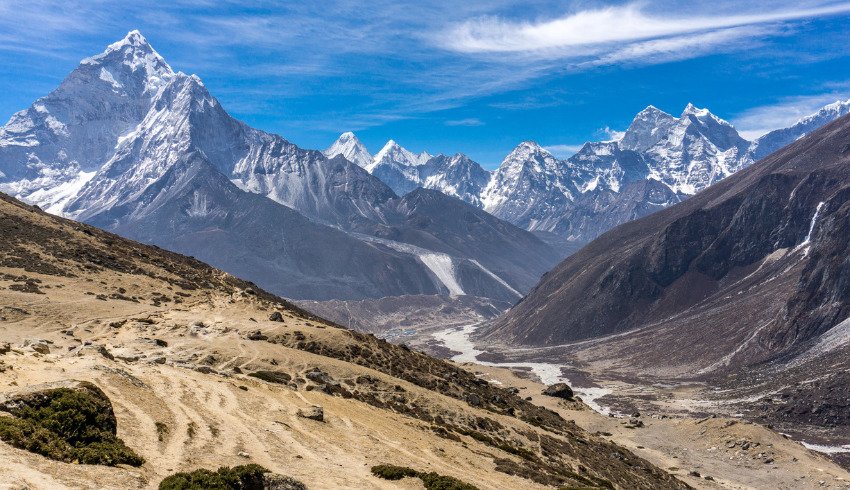
On this trek, you will experience the unique culture of the Khumbu region and ancient monasteries. The trek offers panoramic views of the Himalayan landscapes, including Everest, Lhotse, Ama Dablam, and the surrounding peaks.
At Dingboche, the route leaves the main Everest Base Camp trail. Turn east towards Chhukung, climbing into the glaciated terrain below Island Peak.
Island Peak is an ideal first technical climb. The final section crosses a glacier, climbs a steep snow-and-ice headwall, and finishes along a narrow ridge secured with fixed ropes.
Before the summit attempt. A practical training session introduces you to crampon use, basic rope techniques, ice axe skills, and ascender operation, providing the confidence needed for your first Himalayan peak.
After summiting Island Peak. The route continues towards Lobuche Peak. There are two ways: either crossing the Kongma La Pass or returning through Dingboche. It depends on the weather conditions and the group’s overall progress.
Lobuche Peak is the more demanding of the two climbs. It features steeper rock and ice sections, greater exposure, and a more technical summit ridge. This makes Lobuche Peak a natural progression after gaining experience on Island Peak.
A rest day at Lobuche Base Camp and a short ascent to High Camp prepare you for the final summit push, which typically takes 9 to 11 hours round trip, including the descent back to Pheriche. From both summits, you’ll enjoy spectacular views of Everest, Lhotse, Nuptse, Makalu, Ama Dablam, Baruntse, and the surrounding Khumbu glaciers.
Throughout the expedition, experienced climbing guides carefully manage your pace, acclimatization, and daily progress. Scheduled acclimatization days in Namche Bazaar and Dingboche, together with a gradual ascent, help your body adapt safely to the increasing altitude before each climb.
The Island Peak and Lobuche Peak climbing itinerary gradually builds your skills and confidence. Technical climbing instruction at Island Peak Base Camp prepares you for your first summit, while the experience gained on Island Peak provides a solid foundation for the more demanding ascent of Lobuche Peak.
With two iconic Himalayan summits, high-altitude trekking, glacier travel, and carefully planned acclimatization, this expedition offers an excellent introduction to Himalayan mountaineering while delivering one of Nepal’s most rewarding dual-peak climbing experiences.
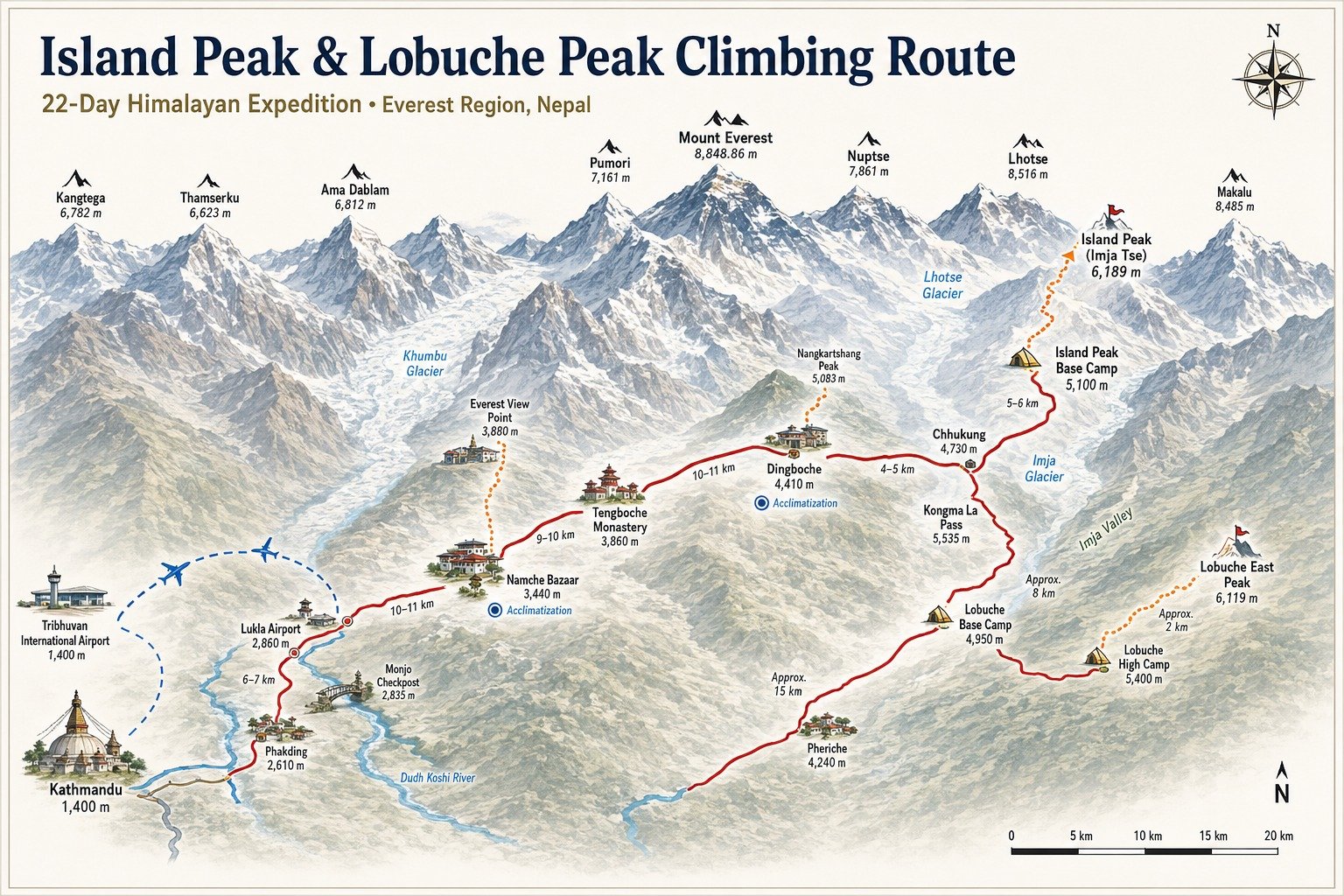
Island Peak & Lobuche Peak Climbing Route
The trip follows a single line through the Khumbu Valley, with a short detour linking the two peaks. A domestic flight gets you from Kathmandu to Lukla (2,860 m), where the trek starts.
From there, the trail runs north along the Dudh Koshi River through Phakding, Namche Bazaar (3,440 m), and Tengboche (3,860 m), then on to Dingboche (4,410 m).
Scheduled acclimatization days in Namche Bazaar and Dingboche help your body adjust to the increasing altitude before the route turns east toward Chhukung (4,730 m) and Island Peak Base Camp (roughly 5,087 m), where the first climb takes place.
After summiting Island Peak, you’ll head to Lobuche Base Camp, either over the Kongma La Pass (5,535 m), a shorter but steeper crossing, or back through Dingboche on a longer, gentler path.
Your guide will choose the route according to the weather, trail conditions, and the acclimatization and general condition of the group.
From Lobuche Base Camp, climbers head to Lobuche High Camp for the second summit push. From there, the route descends through Pheriche and returns along the same trail used on the way in, passing Pangboche, Tengboche, and Namche Bazaar before reaching Lukla for the flight home.
Best Time for Lobuche Peak and Island Peak Climbing
Spring (March to May) and autumn (September to November) are the two best seasons worth planning for. Spring brings warmer temperatures, firmer snow on the upper slopes, and rhododendrons blooming along the lower trail. It is the busier of the two seasons, with higher success rates but more crowds on the trail and in teahouses.
Autumn brings fewer crowds and some of the clearest mountain visibility of the year, with crisp post-monsoon air. Winter and the monsoon months (June–August) are best avoided: winter brings extreme cold and heavy snow, while the monsoon season brings rain and poor visibility that make both climbing and trekking harder.
April, May, and October are generally considered the best months for climbing both Island Peak and Lobuche Peak.
Weather Conditions on the Route
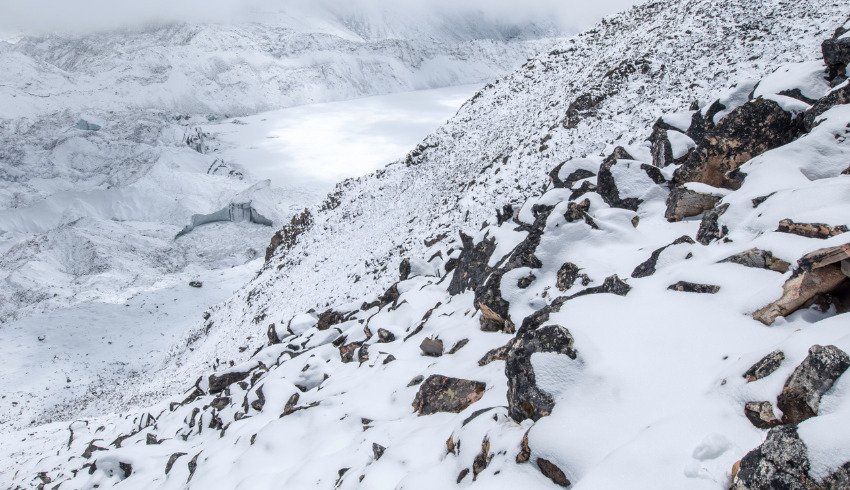
Island Peak & Lobuche East Peak climbing: conditions change fast as you gain elevation, regardless of season. Lower down, daytime temperatures remain comfortable even in spring or autumn, but nights and summit mornings routinely drop well below freezing, so pack accordingly.
Above 5,000 meters, strong winds and rapidly changing weather are common, which is why summit pushes begin before dawn, when conditions are usually at their most stable.
Guides track forecasts closely in the days leading up to each summit attempt and will adjust timing if needed.
This area is also where the itinerary’s contingency day earns its place, a day built in specifically to absorb weather-related delays without forcing a rushed or unsafe summit attempt.
Altitude Sickness and Acclimatization Strategy
Altitude is a central consideration on this 22-day expedition, since the route exceeds 6,000 meters, where oxygen levels drop significantly. As elevation increases, symptoms such as headache, nausea, dizziness, loss of appetite, or disrupted sleep can appear and generally indicate that the body needs more time to adjust.
The itinerary includes dedicated acclimatization days, a controlled walking pace, high fluid intake, warm meals, and avoidance of alcohol at altitude. Guides monitor each climber’s condition throughout the trek and confirm fitness to continue at each stage.
If symptoms become serious, guides descend the affected climber to a lower elevation without delay. With proper pacing and monitoring, most climbers on this route adjust successfully and complete both summits.
Travel Preparation and Fitness Training Tips
- Start training three to four months in advance to build stamina, strength, and endurance.
- Build cardiovascular fitness through running, cycling, swimming, or brisk walking.
- Practice stair climbing or hill training with a loaded backpack.
- Strengthen your legs and core with squats, lunges, and planks.
- Practice breathing exercises and, where possible, train at moderate altitude.
- Complete weekend hikes or multi-day treks on rugged terrain.
- Include stretching or yoga to improve flexibility, balance, and mobility.
- Prepare mentally for long days, changing weather, and high-altitude conditions.
- Eat a balanced diet and drink plenty of fluids while you are training.
- Break in the trekking boots and backpack you’ll use during the expedition.
Food During the Island Peak and Lobuche Peak Expedition
Meals are planned around the energy demands of high-altitude trekking and climbing. Teahouses across the Everest region cook fresh, and dal bhat, vegetable soups, fried rice, pasta, noodles, omelettes, potatoes, momo dumplings, and Tibetan bread are all common on the menu. These carb-heavy meals hold up well over long trekking days.
As you move to Island Peak Base Camp and Lobuche High Camp, meals become simpler and focus on warm, energy-rich foods such as soups, porridge, noodles, boiled potatoes, and hot drinks to support hydration and recovery in the cold. Our guides and kitchen staff follow proper food hygiene practices throughout the trip.
Accommodation During Island Peak and Lobuche East Peak Climbing
In Kathmandu, you’ll stay in hotels with clean rooms, hot and cold water, Wi-Fi, and on-site dining. Facilities become more basic at higher altitudes, in villages like Dingboche, Chhukung, and Lobuche, but the rooms remain clean and functional.
At Island Peak Base Camp and Lobuche High Camp, you’ll stay in expedition-grade tents built to withstand freezing temperatures and strong winds, with sleeping mats and warm sleeping bags provided to support rest before each summit push.
Physical and Mental Preparation
Both peaks require solid fitness, mental toughness, and a working knowledge of basic climbing skills. Knowing how to use crampons, harnesses, and ropes, along with basic glacier travel techniques, will make climbing both peaks more comfortable.
Cardio work (running, walking, cycling, and swimming) builds the stamina long, high-altitude days demand, while leg, core, and back exercises (squats, lunges, and planks) get your body ready for steep terrain.
Mental preparation counts just as much: breathing exercises and a calm, steady mindset help you manage the fatigue and stress of sustained effort at altitude. Comfort with crampons, ropes, harnesses, and safe glacier travel rounds out what you’ll need for both summits.
Why Climb Island Peak & Lobuche Peak With Us?
- Expert Local Guides: Highly experienced Sherpa guides with deep Everest region knowledge for safe technical climbing.
- Safety First: proper acclimatization, quality gear, risk management, and professional training.
- Tailor-Made Packages: custom itineraries combining Island Peak and Lobuche Peak.
- High Success Rate: a proven track record of strong summit success and client satisfaction.
- Full Support: complete logistics, permits, pre-/post-trip assistance, and 24/7 service.
- Sustainable and Responsible: environmental stewardship and respect for local Sherpa culture.
- Personalized Experience: small groups, flexible options, and a memorable Himalayan adventure.
Perfect for climbers seeking a safe, well-organized, and rewarding peak experience in Nepal.
Ready to summit Island Peak & Lobuche Peak?
Are you ready for two summits, one expedition, and a lifetime of climbing experience to show for it? Get in touch to customize your Island Peak & Lobuche Peak climbing trip—permits, logistics, and on-the-ground support are handled for you so you can focus on the climb. Spots for the climbing seasons are limited, so be sure to book early to lock in the best dates.